Quick Answer: Your 3 Days in Hangzhou
Three-second verdict: Hangzhou is one of the most beautiful and affordable cities in China — a UNESCO-listed lake, a 1,700-year-old temple, and the birthplace of Longjing tea, most of it free to visit.
| Day | Theme | Highlights | Budget (per person) |
|---|---|---|---|
| Day 1 | West Lake full loop | Broken Bridge → Bai Causeway → boat to Three Pools → Su Causeway → Leifeng Pagoda sunset | ~¥100–150 |
| Day 2 | Temples & tea | Lingyin Temple + Feilai Peak → Longjing Village → Nine Creeks misty walk | ~¥150–200 |
| Day 3 | Pick your adventure | Option A: Wuzhen water town · Option B: Xixi Wetland · Option C: Grand Canal + Hefang Street | ¥0–300 |
In one sentence: Three days gives you the classic Hangzhou — one day walking and boating the lake that inspired a thousand years of poetry, one day for China's most famous temple and tea hills, and one flexible day for a water town or wetland escape.
Why Hangzhou Is Worth 3 Days (Not Just a Day Trip)
There is an old Chinese saying: "Above there is heaven; below there are Suzhou and Hangzhou" (上有天堂,下有苏杭). It has been repeated since the Song dynasty, and the moment you stand at the edge of West Lake on a hazy morning — mist drifting over the water, an ancient pagoda on a far hill — you understand why.
Hangzhou is the one big Chinese city where most of the highlights are free. The lake, the causeways, the temple grounds' surroundings — you can have a full, beautiful day in West Lake without spending a yuan on admission. That makes a 3-day visit both relaxed and easy on the wallet. Many travelers visit as a day trip from Shanghai, but the city rewards a slower pace: sunrise on the lake, a full loop on foot or by boat, tea-tasting with farmers, and the evening lights of the old town.
Day 1: The Full West Lake Experience
Theme: The lake that inspired a thousand years of poetry. Budget: ~¥100–150 per person (all lake sights free; boat ¥55–70; pagoda ¥40).
Morning (8:30–12:00): Broken Bridge → Bai Causeway → Gushan Island
Start on the north shore at the Broken Bridge (断桥) around 8:30 AM — early, before the tour groups arrive. The bridge is not actually broken: on snowy days, snow on the sunlit half melts first, making it look split in two. It is the setting of the "Legend of the White Snake," a love story every Chinese person knows.
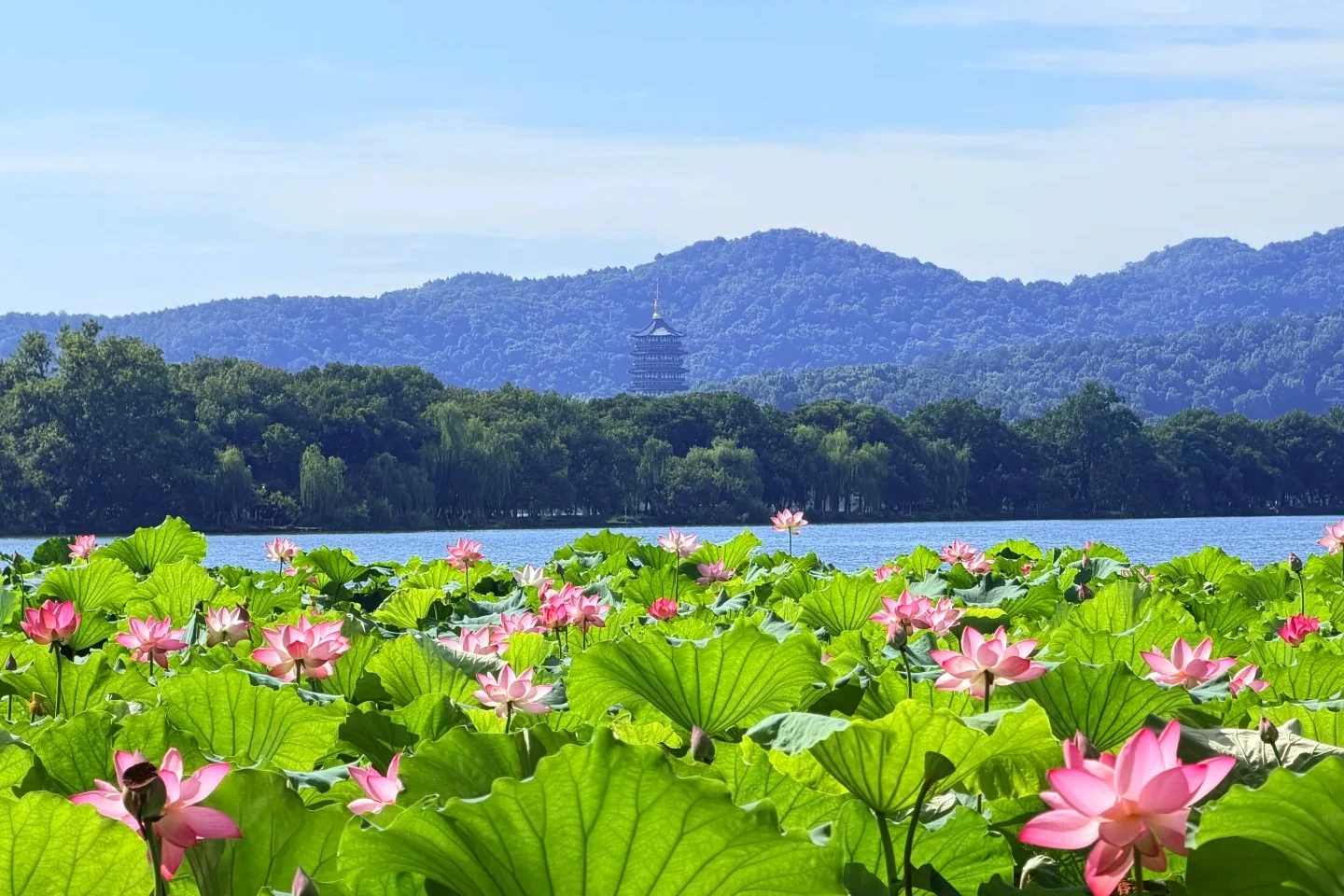
In summer (June–August), the lake's lotus gardens come alive — Quyuan Fenghe (曲院风荷) is the most famous lotus-viewing spot, with thousands of pink flowers framed by willows and the southern hills. Locals sit on the benches for hours. Even outside lotus season, the lake's varied landscapes — gardens, hills, causeways, willows — reward a slow morning.
Walk the Bai Causeway (白堤), a long embankment built by the Tang poet Bai Juyi over a thousand years ago. Willows and peach trees line both sides — at their best in spring. The far end rises onto Gushan Island, where you can visit the Zhejiang Provincial Museum (free) or the Xiling Seal Art Society, then enjoy the view over the whole lake.
Getting there: Metro Line 1 to Longxiangqiao (龙翔桥), 10-minute walk to the lakeshore. Bike rental along the shore costs ¥10–20/hour — ideal for the flat lakeside paths.
Afternoon (13:30–17:00): Boat to Three Pools + Su Causeway
After lunch, take a pleasure boat out to Xiaoyingzhou Islet — the small island with three stone pagodas standing in the water (the "Three Pools Mirroring the Moon" scene printed on the ¥1 banknote). The boat ride shows you angles of the lake you cannot reach on foot. Allow about 1.5 hours including island time. Boats run from several docks; the trip with island landing is about ¥55–70. Book boat tickets on Klook to skip the queue at the docks in busy season.
Back on shore, walk or cycle the Su Causeway (苏堤) — a 2.8-kilometre embankment built by poet-governor Su Dongpo, punctuated by six stone bridges. It is one of the prettiest lakeside walks anywhere; late afternoon light makes it magical. If your feet have had enough, electric sightseeing trams circle the lake (¥10 per ride).
Evening (17:30–20:00): Leifeng Pagoda Sunset + Hefang Street
The south end of the Su Causeway brings you to Leifeng Pagoda (雷峰塔) on Sunset Hill — the pagoda of the White Snake legend. Ride up between 5:00 and 6:30 PM to watch the sun drop behind the lake, with Baochu Pagoda visible on the far shore. Admission ¥40.
Honest tip: The pagoda's elevator lines can be long in the evening. For a cheaper view with no queue, climb the bell tower at Jingci Temple (净慈寺) nearby — about ¥10, and the view is just as good.
Finish the day on Hefang Street (河坊街), the old pedestrian street with tea shops, snacks, and souvenirs — lively but touristy, good for a first-evening wander.
Day 2: Lingyin Temple & Longjing Tea Country
Theme: China's most famous Buddhist temple + the birthplace of Longjing tea. Budget: ~¥150–200 per person (temple area ¥75; tea tasting free–¥50; lunch ¥50–80).
Morning: Lingyin Temple & Feilai Peak
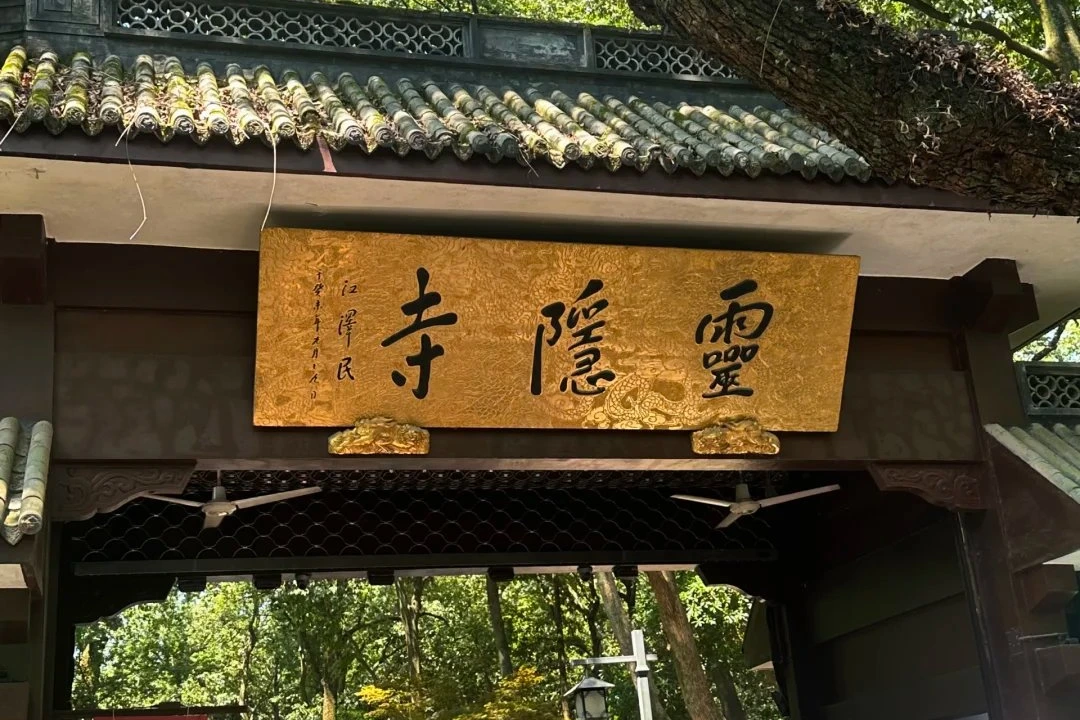
Take a taxi or bus west to the Lingyin Temple (灵隐寺) complex — a 1,700-year-old Buddhist monastery tucked into a green valley beneath Feilai Peak. You buy two tickets: Feilai Peak scenic area (¥45) which includes the carved grottoes and the path, then Lingyin Temple itself (¥30) at the second gate — about ¥75 total. Book online in advance during busy seasons — tickets are available on Klook with an English interface. Free incense is provided inside; skip the vendors selling it at the gate.
The complex is genuinely atmospheric: mossy stone Buddhas carved into the cliff, incense smoke drifting through ancient halls, and the sound of chanting echoing off the valley walls. Allow 2–3 hours. A vegetarian lunch at the temple's own restaurant is a quiet, authentic stop.
Afternoon: Longjing Village & Nine Creeks
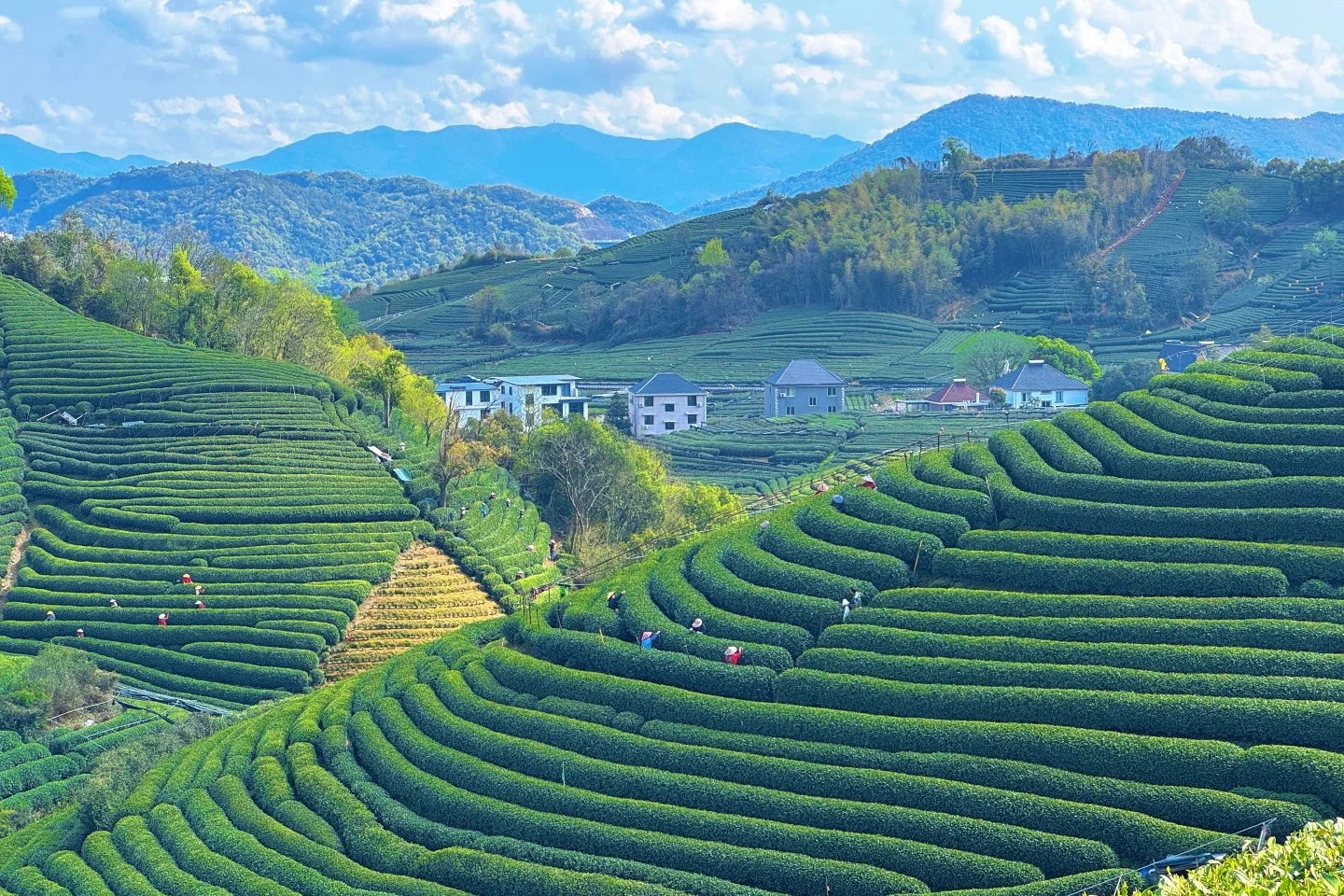
From the temple, head into the tea country — Longjing Village (龙井村), where the most prized green tea in China grows on terraced hills. Farmers' houses sell tea from the current harvest; a cup of fresh Longjing with a view over the terraces is a classic Hangzhou moment. Spring (March–April) is harvest season and the hills are at their greenest.
Honest tip: "Wild guides" and roadside "tea farmers" selling supposedly premium Longjing are often scammers — buy from an established farmhouse or skip the purchase and just enjoy the scenery.
Follow the path to Nine Creeks & Eighteen Gullies (九溪烟树) — a shaded valley with stepping stones, streams, and lush tea terraces. Locals' favourite escape; the "misty trees" are at their best after rain or in the morning. Free to walk.
Day 3: Choose Your Adventure
Theme: Your third day depends on your mood and energy. All three options are proven and well-reviewed.
Option A: Wuzhen Water Town (乌镇) — Best for first-timers
Take a bus from Hangzhou to Wuzhen (about 1.5 hours, ~¥32 one way from the city bus station) or the high-speed train to Tongxiang station plus a short local bus/taxi transfer. Wuzhen is a perfectly preserved canal town with stone bridges and wooden houses over the water. Admission: East Zone (东栅) ¥110, West Zone (西栅) ¥150, or a combined pass ¥190 — the West Zone is the more beautiful, lantern-lit one and is best visited from afternoon into the evening. Pre-book Wuzhen tickets on Trip.com to avoid queueing. Budget about ¥250-300 per person including transport and one zone's admission.
Option B: Xixi Wetland (西溪湿地) — Best for nature lovers
Just 10 km from the city centre, Xixi National Wetland Park is a maze of waterways, reeds, and fishing villages explored by boat (ticket ~¥80 including the boat). A peaceful, distinctly "southern China" experience — plan 3–4 hours. The wetland is particularly beautiful in autumn.
Option C: Grand Canal + Old Hangzhou — Best for a relaxed day
Walk the Beijing–Hangzhou Grand Canal section at Gongchen Bridge (拱宸桥), the southern terminus of the world's longest canal. The museum district and canal-side walking paths are free, and the neighbourhood is wonderfully local. Spend the afternoon at leisure: teahouses, canal boats (¥10–30), and slow people-watching. Combine with a final morning stroll at West Lake — sunrise there is the city's best free experience.
What to Eat in Hangzhou
Hangzhou cuisine (浙江菜/杭帮菜) is refined, lightly sweet, and tea-infused. The classics:
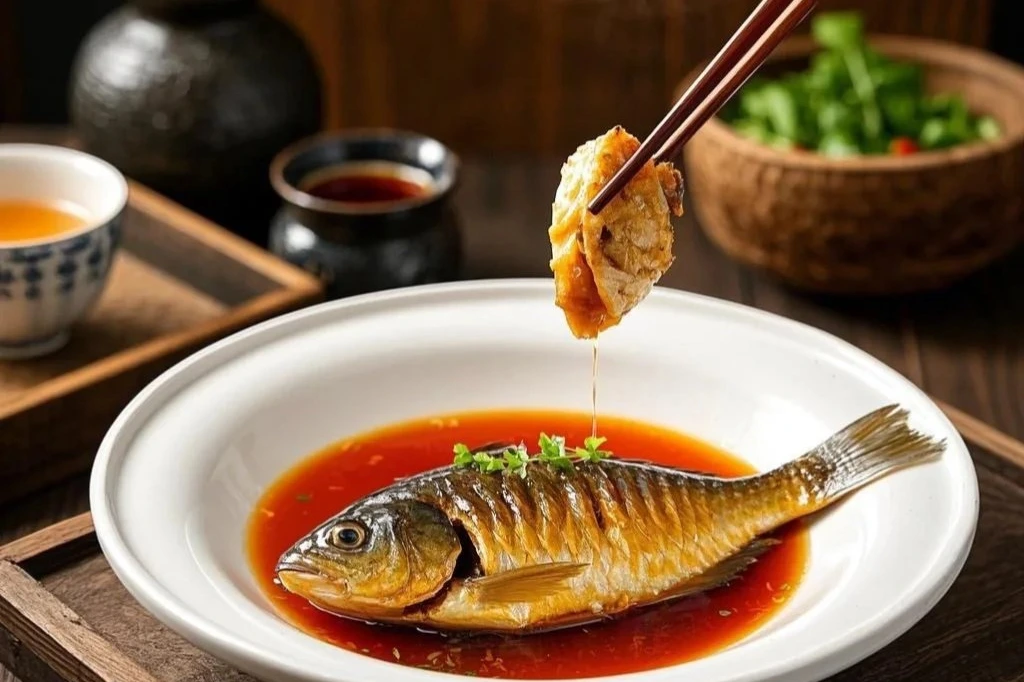
West Lake Vinegar Fish (西湖醋鱼) — the signature dish: tender grass carp in a sweet-sour vinegar sauce, served whole. The dish balances the lake's freshness with a delicate caramel tang.
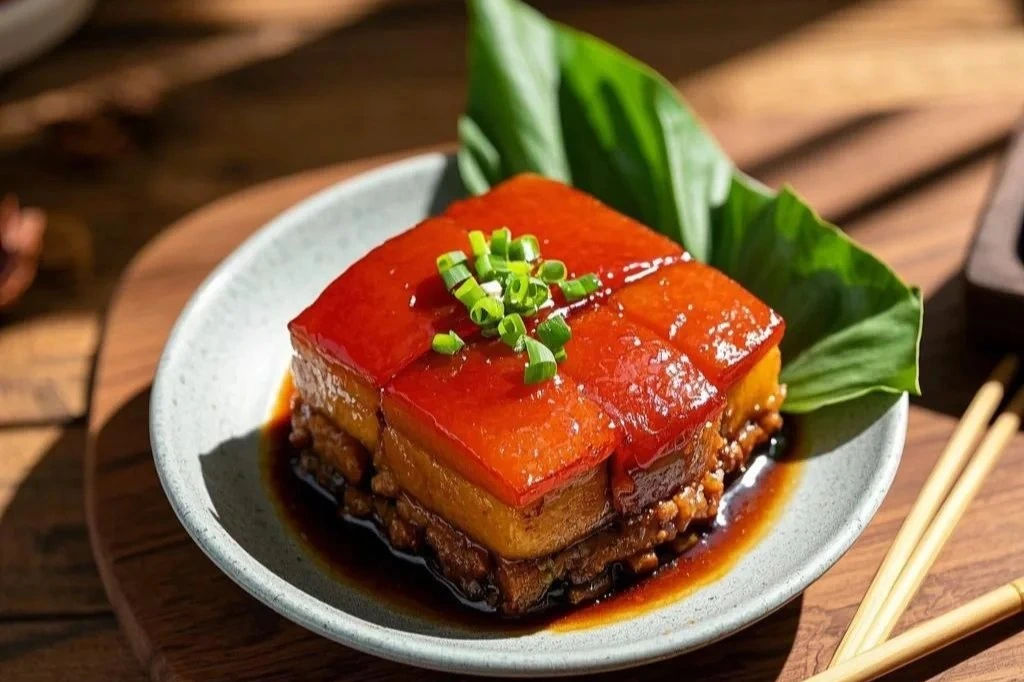
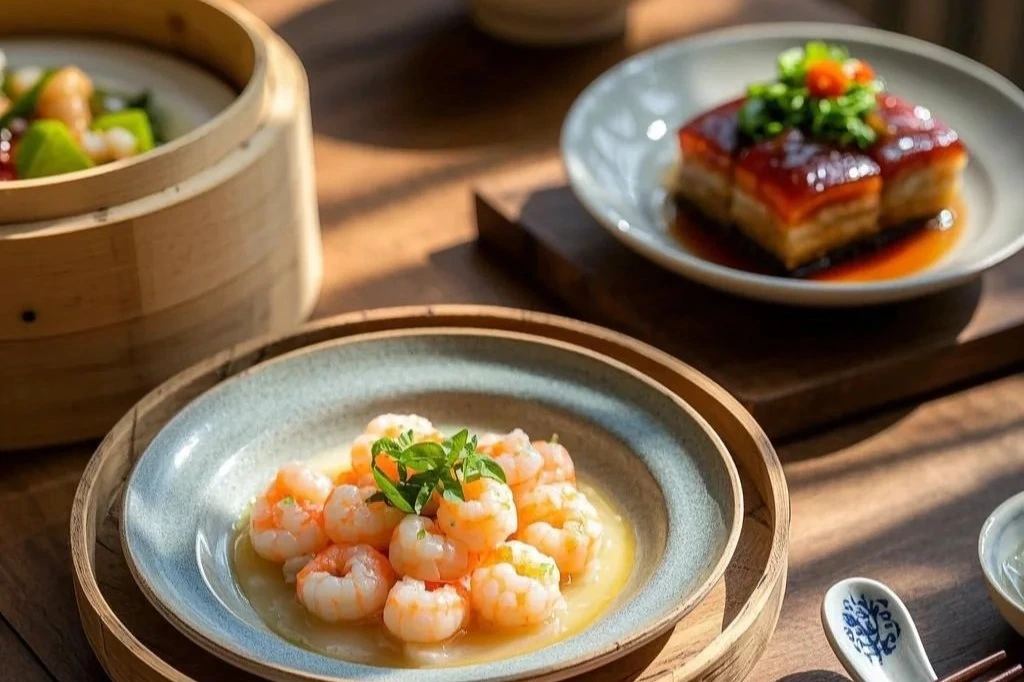
Dongpo Pork (东坡肉) — melt-in-the-mouth braised pork belly, named after poet-governor Su Dongpo. Cut into perfect squares, slow-cooked in soy sauce and rock sugar until the fat renders into silk.
Longjing Shrimp (龙井虾仁) — river shrimp stir-fried with fresh Longjing tea leaves and a whisper of tea fragrance.
Beggar's Chicken (叫花鸡) — chicken baked in lotus leaves and clay, opened at the table. Snacks: Dingsheng cake (定胜糕), shrimp dumpling soup at Xinfeng Snacks (新丰小吃) — about ¥20 total for a meal.
Where: Lou Wai Lou (楼外楼) — the legendary lakeside restaurant since 1848 (try the vinegar fish and Dongpo pork, budget ¥100–200). Hangzhou Restaurant (杭州酒家) — local favorite, about ¥70 per person. See our Chinese food guide for more on regional cuisine.
Practical Information
Getting to Hangzhou (from Abroad)
Fly directly to Hangzhou Xiaoshan International Airport (HGH) — the city's airport serves direct flights from Singapore (26 weekly flights), Kuala Lumpur, Osaka, Seoul, Madrid, and Hong Kong, among others. If you're from one of the 48 countries covered by China's 30-day visa-free policy, you can land and enter Hangzhou directly — no visa paperwork. Check your eligibility in our China visa-free guide. Metro Line 1 connects the airport to the city centre (allow about 40 minutes to the West Lake area), or take a Didi ride (~¥100).
Arriving via another Chinese city: Most first-timers arrive in Beijing, Shanghai, or Guangzhou first. From Shanghai, the high-speed train from Hongqiao to Hangzhou East takes 45–60 minutes (¥73, trains every 10–20 minutes); from Beijing it's about 4.5 hours; from Suzhou under 1.5 hours. From Hangzhou East, Metro Line 1 reaches West Lake in about 30 minutes. See our high-speed rail guide for booking tips.
Where to Stay
Tip: Chinese hotel platforms usually have better prices than international ones for the same rooms. Compare Hangzhou hotels on Trip.com (English interface, free cancellation options).
| Budget | Area | Price/night |
|---|---|---|
| Budget | Wushan Square, Jiangcheng Road, or Hangzhou East Station | ¥150–300 |
| Mid-range | Near Longxiangqiao or Fengqi Road metro (10-min walk to West Lake) | ¥300–600 |
| Luxury | Lakeside hotels with West Lake views (e.g. Shangri-La) | ¥800+ |
Getting Around
- Metro: Line 1 to Longxiangqiao for West Lake; Line 3 reaches the Lingyin area.
- Bikes: Shared bikes everywhere — ideal for the flat lakeside paths.
- Didi: Ride-hailing via the DiDi mini-program inside Alipay or WeChat. See our mobile payments guide for setup.
- Tourist bus: Lines from the lake connect the main sights for a few yuan.
Best Times to Visit
March–May: cherry blossoms, peach trees, mild weather — the classic season. September–November: clear skies and comfortable temperatures; autumn foliage peaks in November. June–August: hot, humid, and rainy. Note: West Lake at Qingming (early April) and National Day Golden Week is very crowded — check our Chinese holidays guide to plan around peak periods.
3-Day Budget Breakdown
| Item | Budget | Comfort |
|---|---|---|
| Accommodation (2 nights) | ¥300–600 | ¥600–1,200 |
| Meals (3 days) | ¥150–250 | ¥300–500 |
| Sightseeing (boats, temple, pagoda) | ¥150–250 | ¥200–400 |
| Local transport | ¥50–100 | ¥150–300 |
| Total (per person, excl. train) | ¥650–1,200 | ¥1,250–2,400 |
Add ¥146 round trip for the Shanghai–Hangzhou high-speed train. Compare with our China budget travel guide for wider cost benchmarks.
Frequently Asked Questions
Is Hangzhou worth visiting? Absolutely. West Lake is a UNESCO World Heritage site that Chinese poets have written about for a thousand years — and most of it is free.
Is West Lake free? Yes. The lake and causeways are free 24/7. Paid items are optional: boats (¥55–70), Leifeng Pagoda (¥40), and guided tours.
How do I get to Hangzhou? Fly directly to Hangzhou Xiaoshan International Airport (HGH) — served from Tokyo, Seoul, Singapore, Bangkok and many other hubs — or take the 45–60 minute high-speed train from Shanghai (¥73). Both are easy for international visitors.
How much is Lingyin Temple? ¥75 total (¥45 Feilai Peak area + ¥30 temple). Book online in advance during busy seasons.
Where should I stay? Near Longxiangqiao or Fengqi Road metro stations for West Lake access. Budget options around Wushan Square.
What should I eat? West Lake vinegar fish, Dongpo pork, Longjing shrimp, beggar's chicken — try Lou Wai Lou for the classics.
Can I visit Suzhou from Hangzhou? Yes — high-speed trains connect the two in about 1–1.5 hours. See our Hangzhou destination guide and plan a Suzhou stop on the same route.
For a fuller picture of Hangzhou, read our Hangzhou destination guide. To plan the rest of your trip, use our AI trip planner or check the best time to visit China.
About This Guide & Data Sources
Last updated: August 5, 2026.
Sources: Ticket prices and opening details compiled from official scenic-area websites, Ctrip/Trip.com listings, and traveler community reports (Reddit, TripAdvisor) as of August 2026. Prices change — confirm at the official booking platforms before your visit.
Disclaimer: This guide reflects the situation as of August 2026. Opening hours, ticket prices, and transport schedules change; always check the official sources for the latest information.