Chengdu Travel Guide 2026
The city of pandas, teahouses, and Sichuan hot pot — where "slow life" (慢生活) is a way of being.
Quick Answer: Is Chengdu Worth Visiting?
Yes — it is the world capital of giant pandas, a UNESCO City of Gastronomy, and the easiest place in China to experience "slow life." Here's the 10-second version:
✅ Why go
The Giant Panda Base — see 200+ pandas up close, including the famous cubs. Go at 7:30 opening for the active morning hours.
The food — Chengdu is UNESCO's first City of Gastronomy in Asia. Hot pot, mapo tofu, dan dan noodles.
The slow life — teahouses, mahjong, and ear-cleaning in People's Park. The friendliest city in China.
⏱ How long
3 days covers the Panda Base, the slow life, and the ancient streets.
4 days adds the Leshan Giant Buddha day trip or Mount Qingcheng.
Pair with Chongqing (1.5h by train) or Xi'an (3h) for a classic southwest route.
💰 Budget per day
| Budget | Comfort | |
|---|---|---|
| Hotel | ¥120–250 | ¥400–800 |
| Food | ¥50–80 | ¥120–200 |
| Metro/taxi | ¥15–30 | ¥60–120 |
| Total | ¥185–360 | ¥580–1,120 |
The Chengdu Feeling: Learning to Be "Ba Shi" (巴适)
Chengdu has a word for its way of life: 巴适 (ba shi) — comfortable, pleasant, just right. This is the city that naps at 2 PM, sips tea for hours in People's Park, and plays mahjong under the bamboo. The locals have an expression: "Chengdu is a city you come to, and never want to leave." Spend three days here and you'll understand why.
"Chengdu doesn't show off. It just invites you to sit down, order a cup of jasmine tea, and watch the world go by — very, very slowly. And somehow, that becomes the highlight of your trip."
The Panda Morning
At 7:30 AM the cubs are eating bamboo, tumbling, and playing. You'll see 200+ pandas, from newborns in the nursery to the famous Huahua in Villa 6. It is the single most joyful morning you can have in China.
The Teahouse Ritual
People's Park, any afternoon: a covered bowl of jasmine tea (¥15), a bamboo chair, and hours of nothing. Locals play mahjong, get their ears cleaned, and chat. This is the authentic Chengdu — no ticket required.
The Numbing Heat
Sichuan peppercorn numbing (麻) + chili heat (辣) = the taste of Chengdu. A hot pot dinner is a communal, hours-long ritual — and the city's proudest cultural export.
Face-Changing Opera
Bian lian (变脸) — Sichuan opera's face-changing act — happens in teahouses across the city. Watch a performer swap masks in a fraction of a second, right in front of you, with no trick visible.
Mahjong Under the Trees
In every park and courtyard, you'll hear the click of mahjong tiles. It's not a tourist show — it's how the city relaxes. Grab a bench, watch, and maybe learn a round.
Getting to Chengdu (from Abroad)
Two International Airports
Chengdu is one of China's best-connected gateways. CTU (Shuangliu) and TFU (Tianfu) both handle international routes (2026): direct flights from Bangkok, Singapore, Tokyo, Seoul, Hong Kong (China), Taiwan (China), plus long-haul from Europe and North America via major hubs. TFU is the newer hub — check which airport your flight lands at; they are 60 km apart.
From North America / Europe / Australia: fly to Beijing (PEK), Shanghai (PVG), or Guangzhou (CAN) and connect, or catch one of the growing number of direct long-haul routes. Both CTU and TFU are 240-hour visa-free transit ports.
High-Speed Rail to Chengdu
Chengdu East Station connects to Chongqing (1.5h, ¥96 second-class), Xi'an (3h, ¥263), Leshan (1h, ¥54–110), and beyond. From Beijing: ~7.5h, ¥778. From Shanghai: ~11h, ¥828. A quick metro ride from Chengdu East into the center.
Visa-Free Entry
Both Chengdu airports (CTU and TFU) are 240-hour (10-day) visa-free transit ports for eligible nationalities — fly A → Chengdu → B with an onward ticket to a third country. Travelers from 48+ countries also get 30-day visa-free entry. Check our visa-free guide for your country.
Panda Day: The Giant Panda Breeding Research Base
The #1 reason people come to Chengdu. Here's how to do it right — timing is everything.
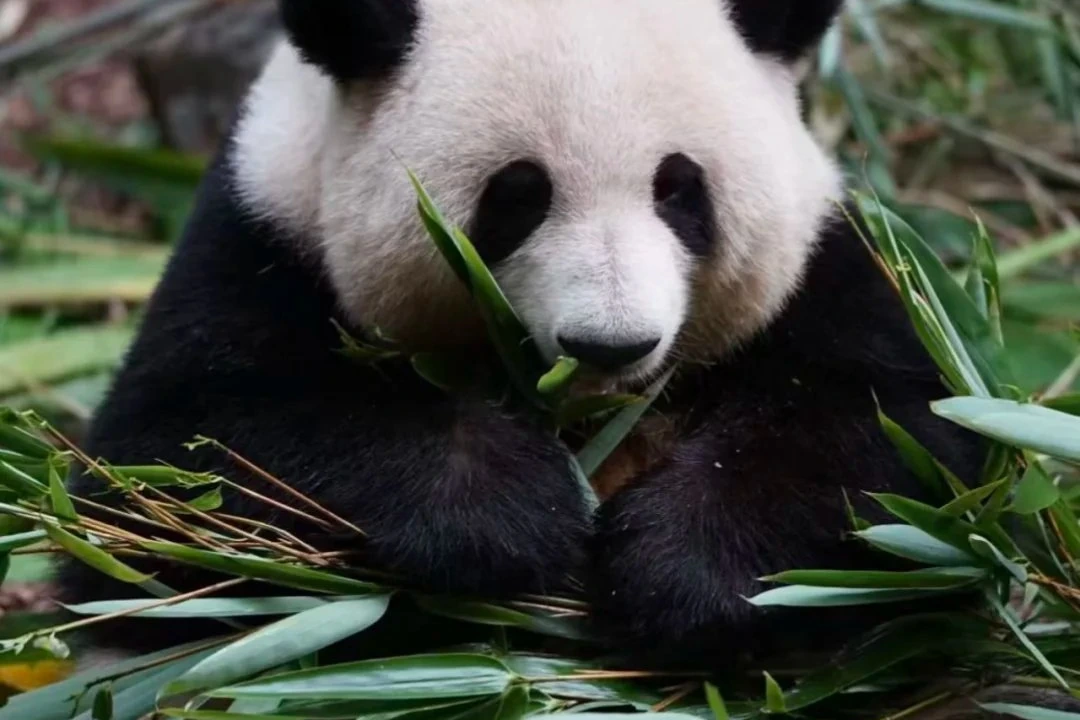
The Giant Panda Base (成都大熊猫繁育研究基地)
200+ pandas, open 7:30–18:00, ¥55 (students ¥27)
Go at 7:30 opening — pandas are most active in the morning before it gets hot; by 10:30 most are napping. Book 1–7 days ahead on the official WeChat mini-program, or Trip.com (English interface, passport-friendly). Metro Line 3 to Panda Avenue Station, then a short taxi or shuttle.
⭐ Best for: Everyone. Priority: Moon Nursery (cubs) → Sun Nursery → Huahua's Villa 6 → Panda Tower.
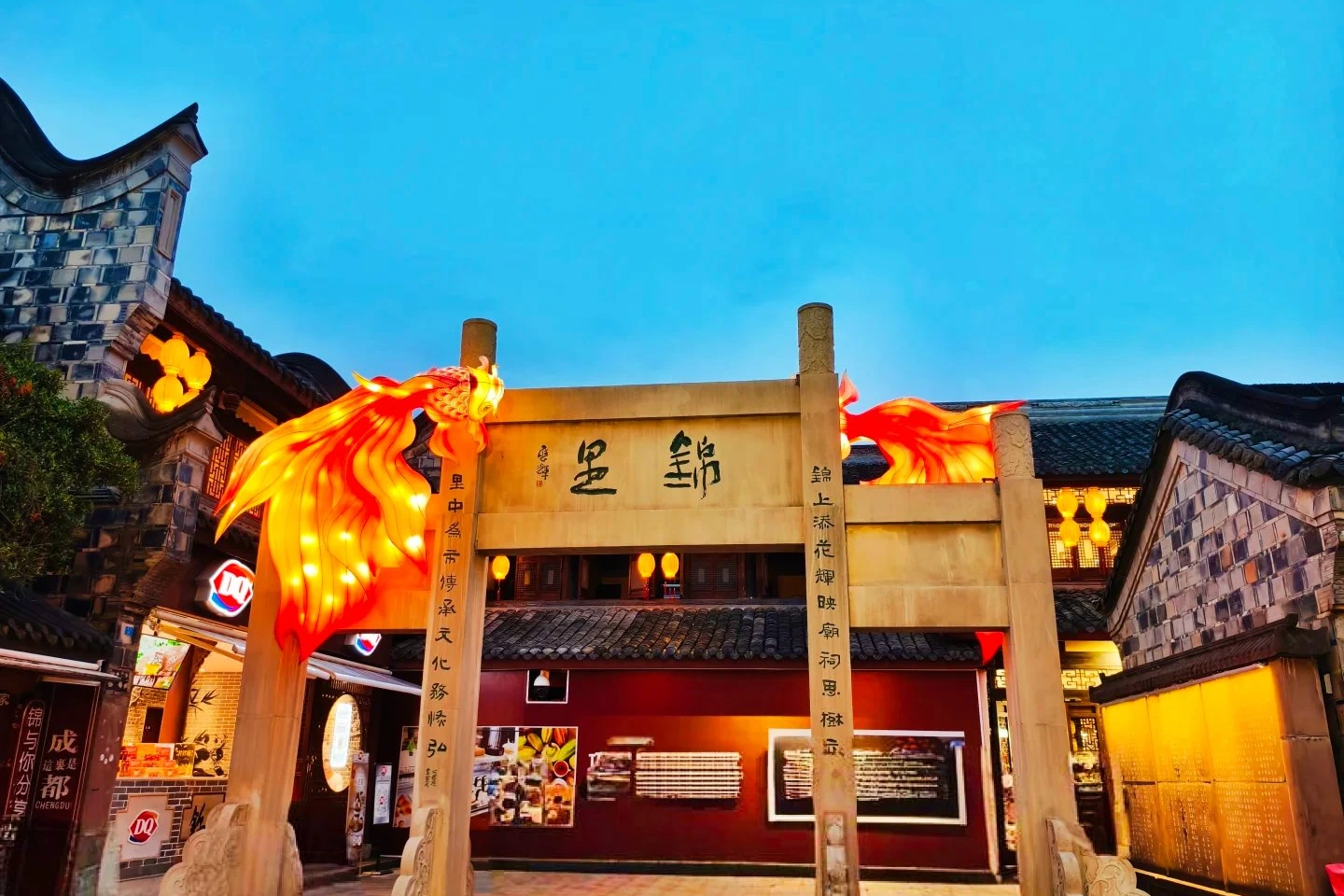
Jinli Ancient Street (锦里古街)
The classic first-evening — snacks, crafts, and lanterns
Traditional street with snacks, crafts, and teahouses — best visited in the evening when red lanterns light up. Free to wander. Sichuan opera face-changing performances run in the small theaters here.
⭐ Best for: An easy first evening + a face-changing show.
The Slow Life: Teahouses, Parks & Local Chengdu
Chengdu's real attraction isn't a ticket gate — it's the pace. Here's where locals actually spend their days:
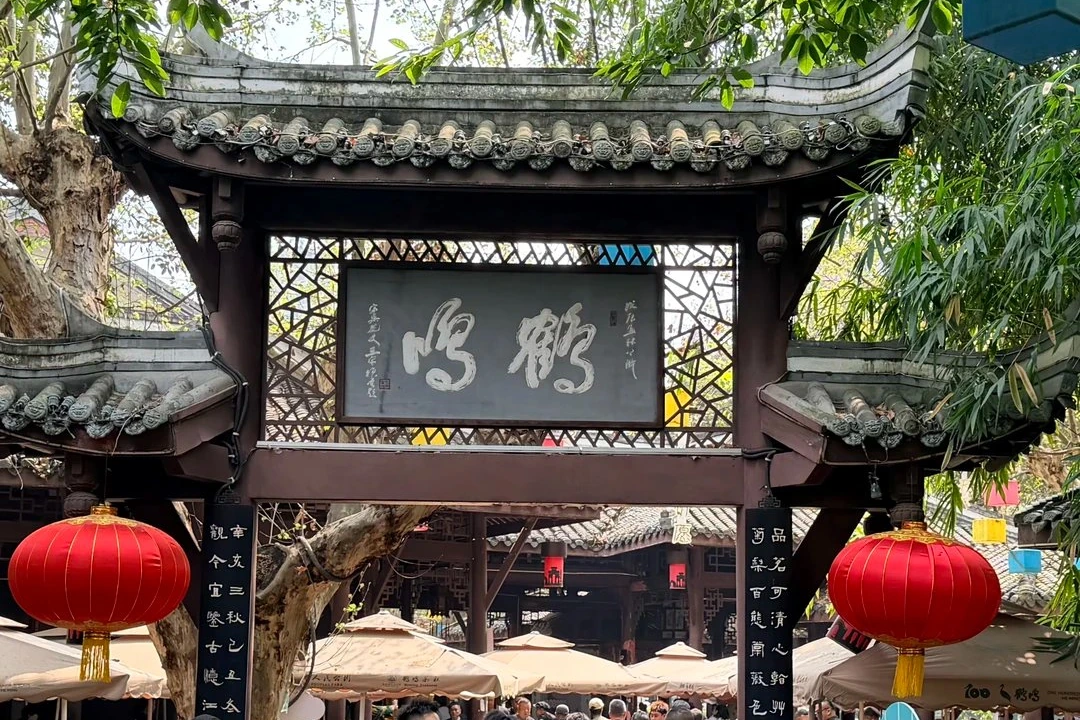
People's Park (人民公园)
The heart of Chengdu's slow life. Heming Teahouse (鹤鸣茶社) — over 100 years old — serves covered-bowl jasmine tea (¥15–25) on bamboo chairs under the trees. Watch ballroom dancing, calligraphy, and get your ears cleaned (¥30, a Chengdu specialty). Free entry.
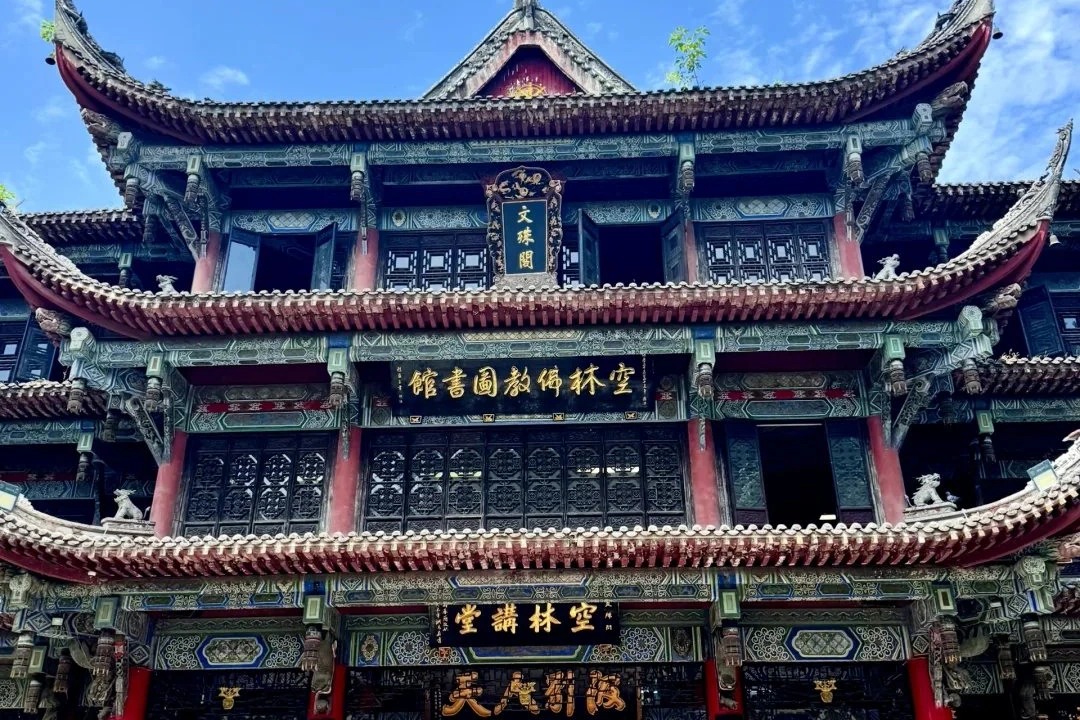
Wenshu Monastery (文殊院)
A serene Tang-dynasty Buddhist temple with a beautiful garden and a famous vegetarian restaurant. Free entry, quiet afternoon atmosphere, and the surrounding Wenshu Fang district has excellent local snacks and tea houses.
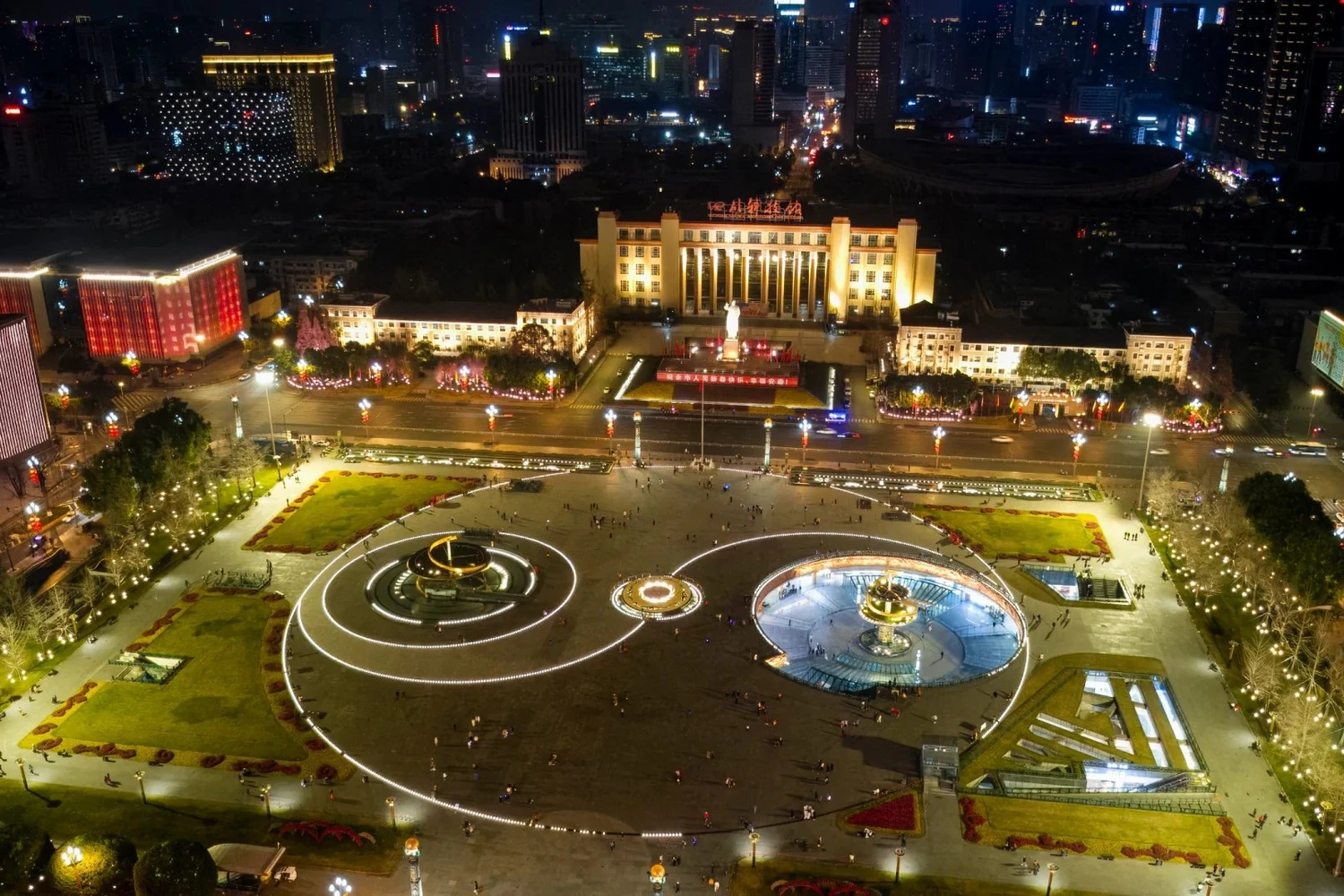
Chunxi Road & Taikoo Li
Chengdu's modern face: the shopping streets of Chunxi Road and Taikoo Li (open-air luxury mall with a temple at its center). Good for people-watching, coffee, and the city's famous "hurry up and slow down" vibe.
Food City: Hot Pot, Numbing Spice & UNESCO's First City of Gastronomy
Chengdu was the first city in Asia named a UNESCO City of Gastronomy. Eating here is not a meal — it's the itinerary.
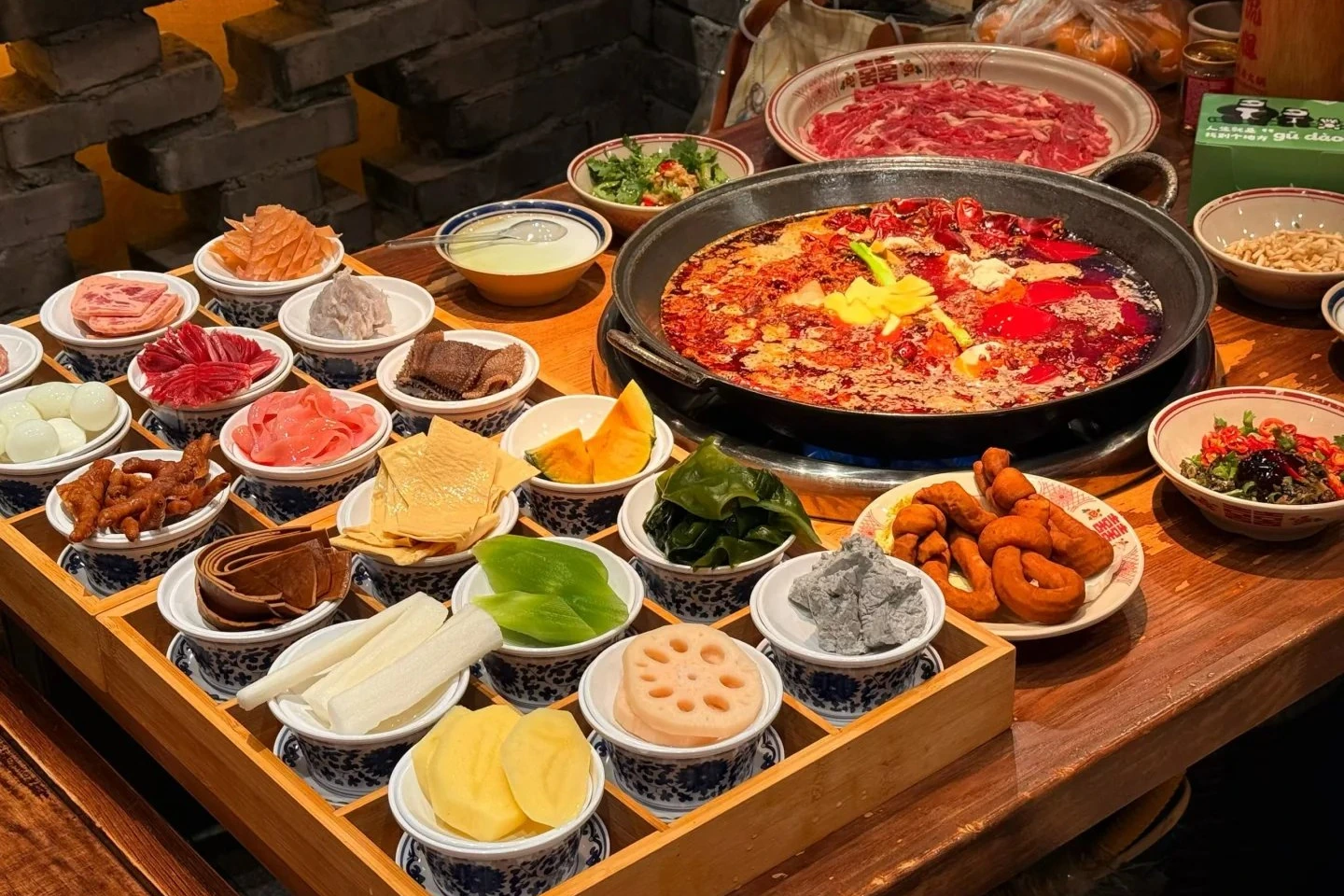
🌶️ Sichuan Hot Pot (四川火锅)
The communal ritual: a bubbling pot of chili and Sichuan peppercorn broth, raw ingredients you cook yourself, and hours of conversation. Order the "nine-grid" (九宫格) pot — different sections for different cooking times. ¥60–120 per person.
⭐ Best for: Your first night — book a busy local spot (Xiaolongkan, Shu Daxia) and go at 6 PM.
🍚 The Classics
Mapo tofu (pork + numbing bean curd), kung pao chicken, dan dan noodles, and twice-cooked pork — the Sichuan canon. For the adventurous: rabbit head (¥12–15) and pig brain in hot pot. Dan dan noodles ¥10–15 at any local shop.
⭐ Best for: Lunch spots near the ancient streets — look for places packed with locals.
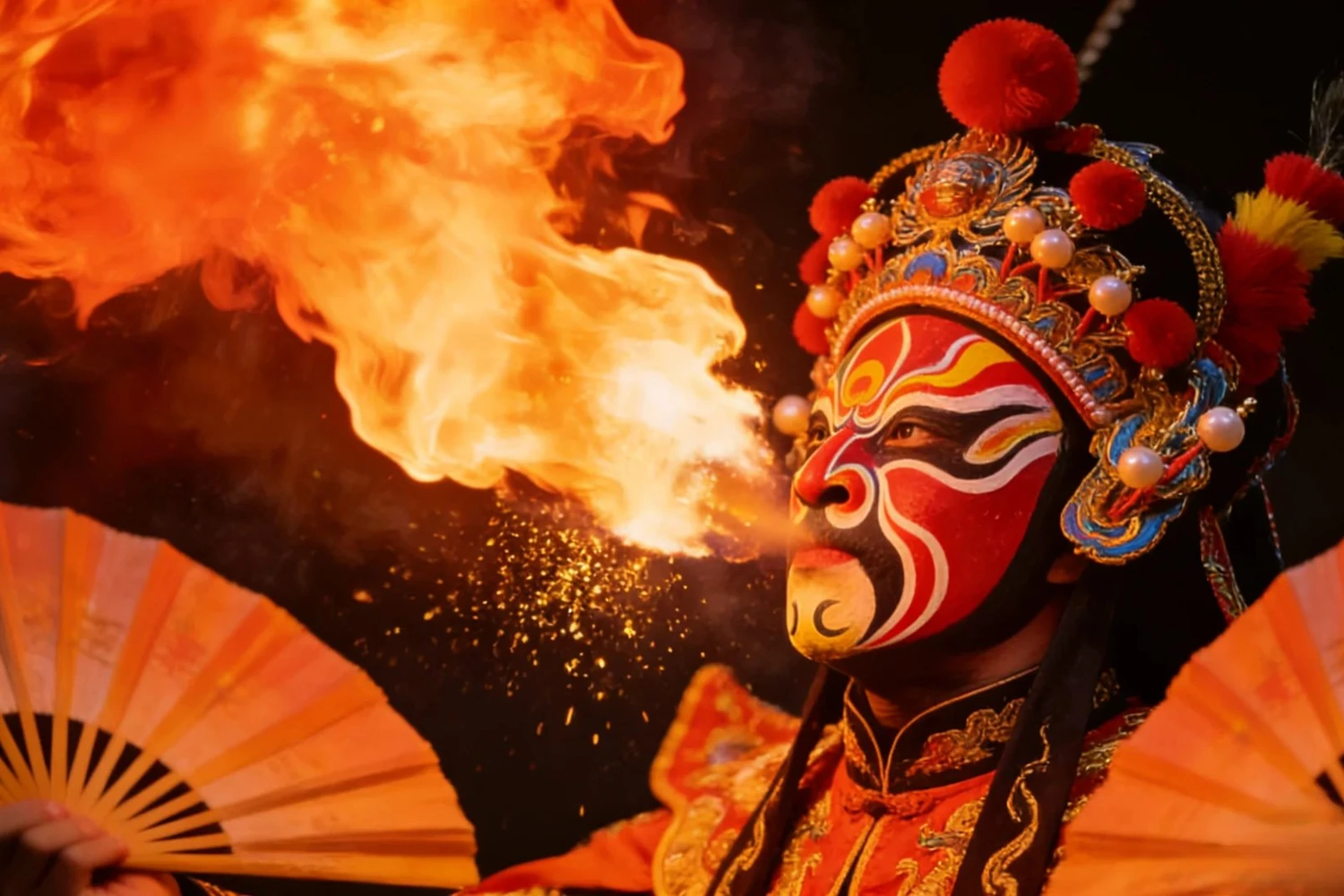
🎭 Sichuan Opera (川剧变脸)
The face-changing (变脸) performance is the city's most famous cultural show — teahouse performances from ¥50–150 (Shufeng Yayun is the most tourist-friendly venue). Combine with a covered-bowl tea and snacks.
⭐ Best for: An evening alternative to hot pot — do both if you can.
Ancient Streets: Kuanzhai Alley & Jinli
🏮 Kuanzhai Alley (宽窄巷子)
- Three parallel lanes — Kuan (wide), Zhai (narrow), and Jing (well) — with restored Qing-dynasty courtyard houses
- Boutique shops, teahouses, and Sichuan opera performances
- Free; busiest at night — go early morning for photos without crowds
- Metro Line 4 to Kuanzhai Alley Station
🏮 Jinli Ancient Street (锦里)
- Adjacent to Wuhou Shrine (武侯祠) — the Three Kingdoms memorial, ¥50
- Snack street + craft shops + teahouses, red lanterns at night
- Free street; the face-changing theaters here are easy to book
- Best combined: Wuhou Shrine morning → Jinli lunch → evening lanterns
Day Trips from Chengdu
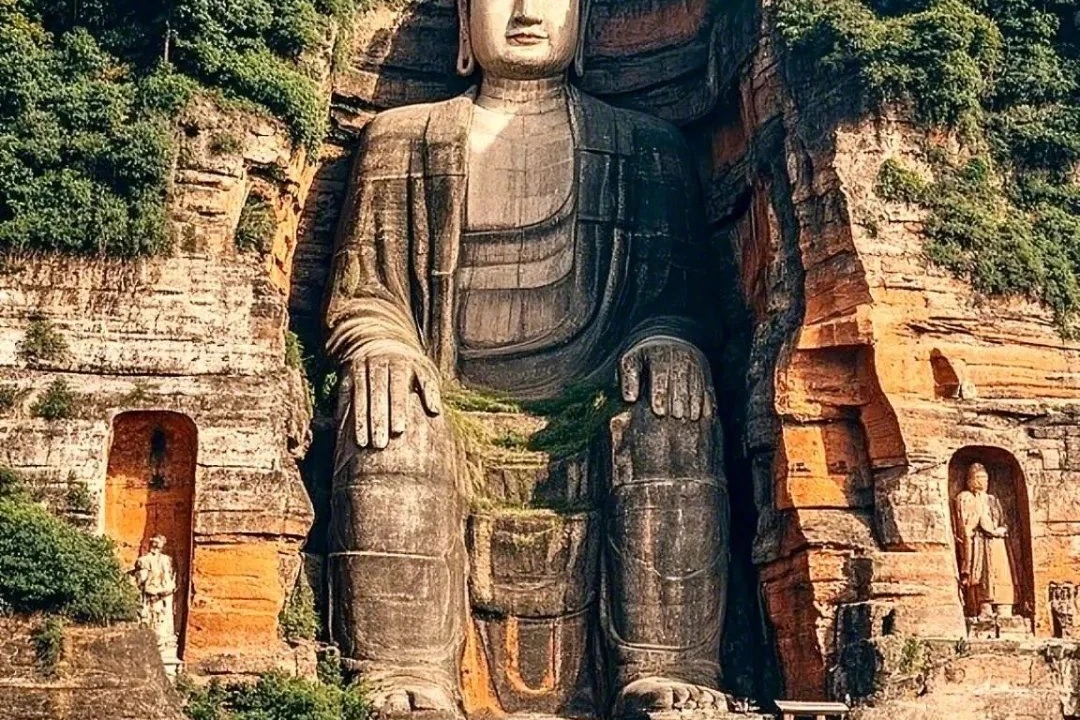
🗿 Leshan Giant Buddha (乐山大佛)
~1.5h by high-speed rail — the world's largest stone Buddha
The 71 m cliff-carved Buddha, built over 90 years starting in 713 CE. Ticket ¥80; add the boat cruise (¥70) for the best full view. High-speed rail from Chengdu East to Leshan: ~1 hour, ¥54–110. A classic full-day trip.
⭐ Best for: Day 3 or 4; the boat view is worth the extra ¥70.
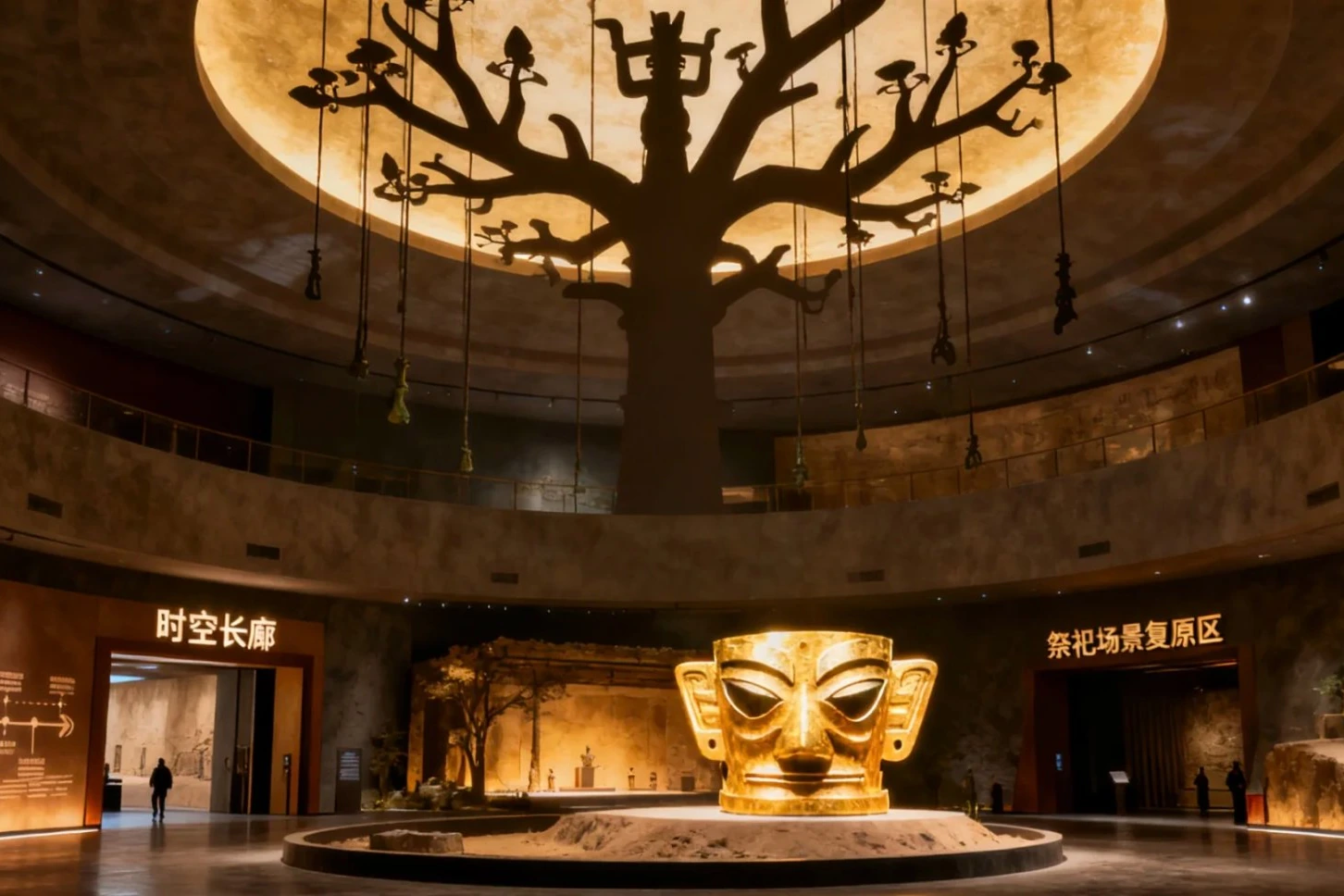
🗿 Sanxingdui Museum (三星堆博物馆)
The ancient Shu civilization — 3,000-year-old bronze masks
One of China's most extraordinary archaeological sites: giant bronze masks with protruding eyes, a 3.96 m bronze sacred tree, and a 1.42 m gold scepter — relics of a mysterious civilization that left no written records. Ticket ¥72 (students ¥36); closed Mondays. High-speed rail from Chengdu East to Guanghan North: 18 min, ¥18, then 10-min taxi.
⭐ Best for: History lovers; pairs with the Leshan trip for a longer stay.
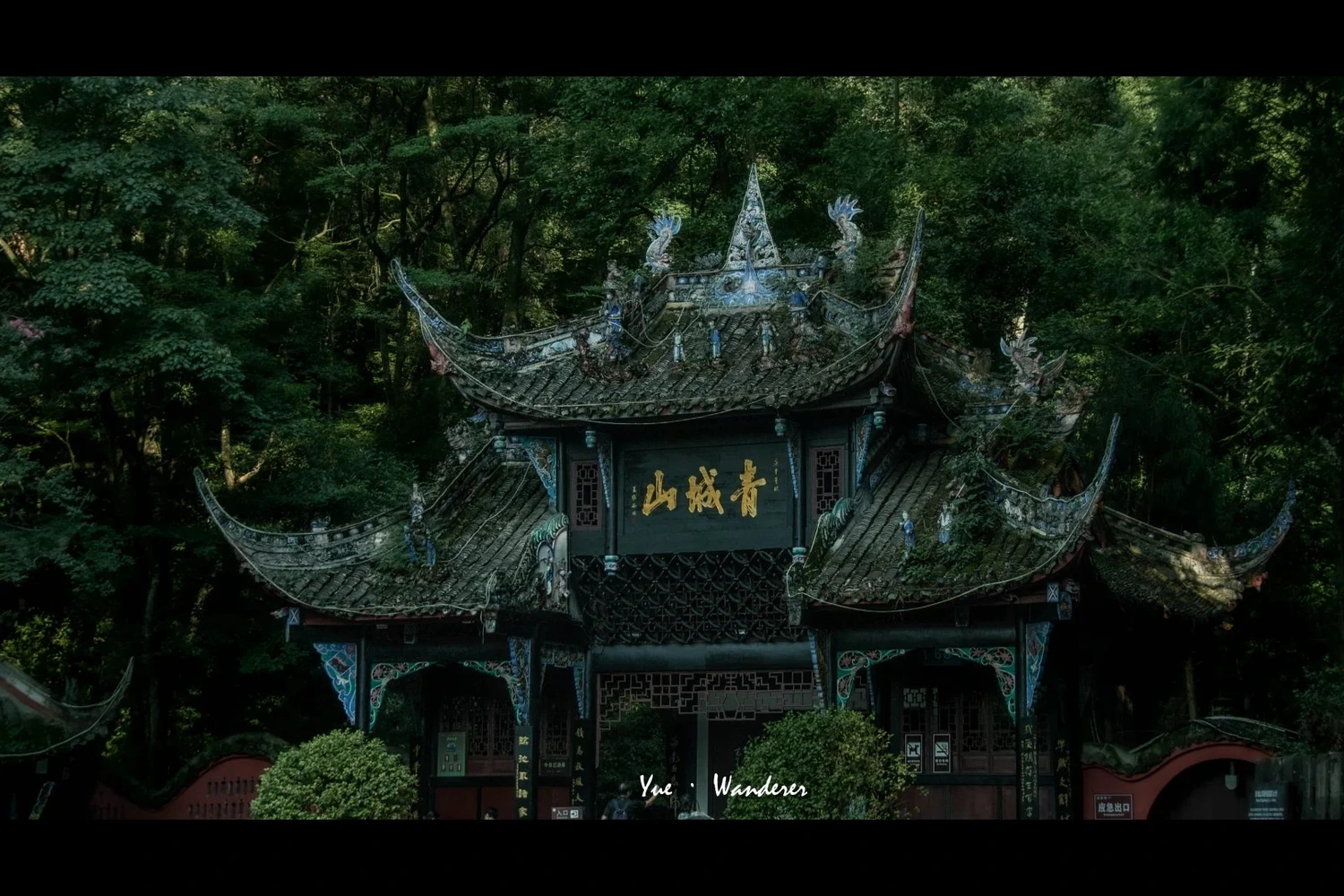
⛰️ Mount Qingcheng (青城山) + Dujiangyan
The Taoist birthplace + the 2,200-year-old irrigation system
Mount Qingcheng is the cradle of Taoism (cable car available); Dujiangyan is the ancient irrigation project that still waters the Chengdu Plain. ~40 min by high-speed rail. Note: the Dujiangyan Panda Base is closed for renovation (since April 2026) — use the main Chengdu base instead.
⭐ Best for: Nature + history lovers with a 4th day.
Chengdu Through the Seasons
Chengdu is mild year-round — but when you go changes what you see:
Spring (Mar–Jun)
Mild 15–25°C, blooming gardens, fresh air. The best season — comfortable panda mornings and long teahouse afternoons.
Summer (Jul–Aug)
Hot and humid (30–35°C) with afternoon showers. Pandas are still lively early; evenings buzz. Go to the base at 7:30 sharp before the heat.
Autumn (Sep–Nov)
Crisp and clear — the second best season. Cool teahouse afternoons, hot pot evenings. Avoid Golden Week (Oct 1–7): prices double.
Winter (Dec–Feb)
Overcast, 3–10°C, rarely freezing. Fewer tourists and cheaper hotels — and pandas love the cool weather, making winter a secret great season.
Practical Information
🏨 Where to stay
- Chunxi Road / Taikoo Li — central shopping district, great metro access
- Jinli / Wuhou Shrine — near the ancient streets, atmospheric
- Kuanzhai Alley — boutique hotels in the historic district
🚕 Getting around
- Metro — 13 lines, English signage; Line 3 to Panda Base, Line 4 to Kuanzhai
- CTU airport (Shuangliu) — Line 10, 30 min to city (~¥7)
- TFU airport (Tianfu) — Line 18, 50 min (~¥12); taxi ¥150–250
- DiDi — cheap and reliable citywide
💳 Money & Connectivity
- Payments: Alipay and WeChat Pay are everywhere; foreign cards work via both apps. Carry ¥200–400 cash as backup for street vendors. See our payments guide.
- Internet: Google/Instagram/WhatsApp are blocked — get an international eSIM before you land. See our eSIM guide.
- Language: English signage on the metro; carry your hotel name in Chinese (春熙路 / 宽窄巷子) for DiDi drivers.
🗓️ Best Time to Visit
- Spring (Mar–May) & Autumn (Sep–Nov): the two sweet spots — mild 15–25°C, ideal for panda mornings and teahouse afternoons.
- Winter (Dec–Feb): 3–10°C, fewer tourists, cheaper hotels — a hidden gem for panda viewing.
- Avoid: Chinese New Year (late Jan / early Feb) and Golden Week (Oct 1–7) — prices double and crowds swell.
Frequently Asked Questions
How many days do I need in Chengdu?
3 days is perfect: one for the Panda Base, one for the slow life (teahouses, temples, ancient streets), one for the Leshan Giant Buddha day trip. Add a fourth day for Mount Qingcheng and Dujiangyan.
What is the Panda Base ticket price?
¥55 for adults (students ¥27), open 7:30–18:00. Book 1–7 days ahead on the official WeChat mini-program or Trip.com (English interface). Go at 7:30 opening — pandas are most active before 10 AM.
How do I get from the airport to the city?
Chengdu has two airports. CTU (Shuangliu) is closer: Metro Line 10, ~30 min (~¥7). TFU (Tianfu) is farther: Metro Line 18, ~50 min (~¥12); taxi ¥150–250. Both are 240-hour visa-free transit ports.
Do I need a visa to visit Chengdu?
Maybe not. Both Chengdu airports are 240-hour visa-free transit ports for eligible nationalities (fly A → Chengdu → B with an onward ticket). Travelers from 48+ countries also get 30-day visa-free entry. Check our visa-free guide for your country.
What is the best time to visit the Panda Base?
Go at 7:30 opening. Pandas are most active in the cool morning (8:00–10:30 AM) before napping. The cub nursery (Moon Nursery) is open 9:00–11:00 AM only. Visit Huahua in Villa 6 early — she naps by afternoon.
What should I eat in Chengdu?
Must-tries: Sichuan hot pot (order the nine-grid), mapo tofu, kung pao chicken, dan dan noodles, and twice-cooked pork. For the adventurous: rabbit head and pig brain in hot pot!
Is Chengdu safe for tourists?
Very safe — violent crime is almost non-existent. The biggest risk is pickpocketing in busy areas like Jinli and Chunxi Road. Keep valuables secure and use DiDi for taxis.
Is the Dujiangyan Panda Base open?
No — the Dujiangyan Panda Base has been closed for renovation since April 2026. Use the main Chengdu Research Base of Giant Panda Breeding instead, or the Wolong Shenshuping base for a deeper conservation experience.
About This Guide & Data Sources
Last updated: August 19, 2026.
Sources: Ticket prices and opening hours compiled from official scenic-area pages and Ctrip/Trip.com listings (August 2026); panda base booking rules verified from official channels; transport details from 2026 travel guides.
Disclaimer: Prices change frequently and vary by season — always confirm at the official booking platform. The Panda Base requires advance online booking; the Dujiangyan Panda Base is closed for renovation (since April 2026).