Suzhou
The Venice of the East — 2,500 years of canals, silk, and the world's finest classical gardens
Quick Answer: Is Suzhou Worth Visiting?
Yes — for 3 reasons
1) The classical gardens are UNESCO World Heritage — nine of them, designed over 900 years as "living ink paintings". 2) 2,500-year-old canals earned it the nickname "Venice of the East". 3) It's the easiest day trip in China: 25–40 minutes by high-speed train from Shanghai.
How long?
One day covers the essentials (Humble Administrator's Garden + Suzhou Museum + Pingjiang Road). Two days is ideal — add Tiger Hill and the Lingering Garden, or a water town.
Budget
Gardens cost ¥30–80 each; the museum is free. A comfortable day trip from Shanghai runs about ¥400–700 per person including train, gardens, and food.
In one sentence: If you're already visiting Shanghai, Suzhou is the single best value add — the classical gardens are unlike anything else in China, and you can be standing in a Ming-dynasty courtyard within 40 minutes of leaving the Bund.
Getting to Suzhou (from Shanghai & Abroad)
From Shanghai — the classic route
High-speed trains from Shanghai Hongqiao or Shanghai Railway Station reach Suzhou Railway Station in just 25–40 minutes, with fares from ¥39–55. Trains run every 10–20 minutes all day. From Suzhou Station, the old town and gardens are a short metro ride or taxi.
From abroad
There's no major international airport in Suzhou itself — the practical route is to fly into Shanghai (PVG/SHA) and take the train. Shanghai is a major international hub and a designated 240-hour visa-free transit port — see our China visa-free guide to check if you qualify.
Tip: For a classic Yangtze Delta loop, combine Shanghai → Suzhou → Hangzhou — all three are 1 hour or less apart by high-speed rail. See our Hangzhou 3-day itinerary.
The Classical Gardens: 9 UNESCO Masterpieces — Which One Is For You?
Suzhou's classical gardens were inscribed as UNESCO World Heritage in 1997 (and extended 2000). Built from the 6th century onward as scholar-officials' retreats, they follow the philosophy of "harmony between humans and nature" — every stone, pond, and pavilion placed to create framed views. Here are the four that matter for most visitors, with 2026 prices:
Humble Administrator's Garden (拙政园)
The largest & most famous — built 1509
The quintessential Suzhou garden: 5.2 hectares of ponds, pavilions, lotus, and the classic "borrowed scenery" — framed views that make every corner a composition. Central Garden is the heart; arrive at 7:30 AM opening before tour groups (by 10:30 the paths are packed).
Best for: First-timers — this is THE garden to see
Lingering Garden (留园)
The most refined & poetic — built late Ming
Smaller (2.3 ha) and more concentrated — connoisseurs often prefer it. Famous for the Cloud-Capped Peak, a 6.5 m Taihu rock, and the Mandarin Duck Hall. Late afternoon (3–4 PM) light through the trees is magical after the tour groups leave.
Best for: Garden lovers, repeat visitors, quiet atmosphere
Lion Grove Garden (狮子林)
The rockery maze — built 1342
Its centrepiece is a labyrinth of stacked Taihu limestone with winding paths threading in and out of real rock grottoes — some stones resemble lions. Kids love it; adults enjoy the fun of clambering through the rockery.
Best for: Families, playful exploration
Master of the Nets Garden (网师园)
The smallest & most perfect — 0.6 ha
Many connoisseurs' favourite — a study in concentrated design, every element placed exactly. Its night tours (classical music + tea in the pavilions, ~¥120) during high season are a Suzhou speciality. A copy of this garden was built at New York's Met Museum.
Best for: Design lovers, evening/night visit
Booking: Gardens use real-name timed entry — book online before visiting, especially in spring/autumn when slots sell out. Book Suzhou garden tickets on Klook or via the official WeChat mini-program.
Suzhou Museum — I.M. Pei's "Little Daughter"
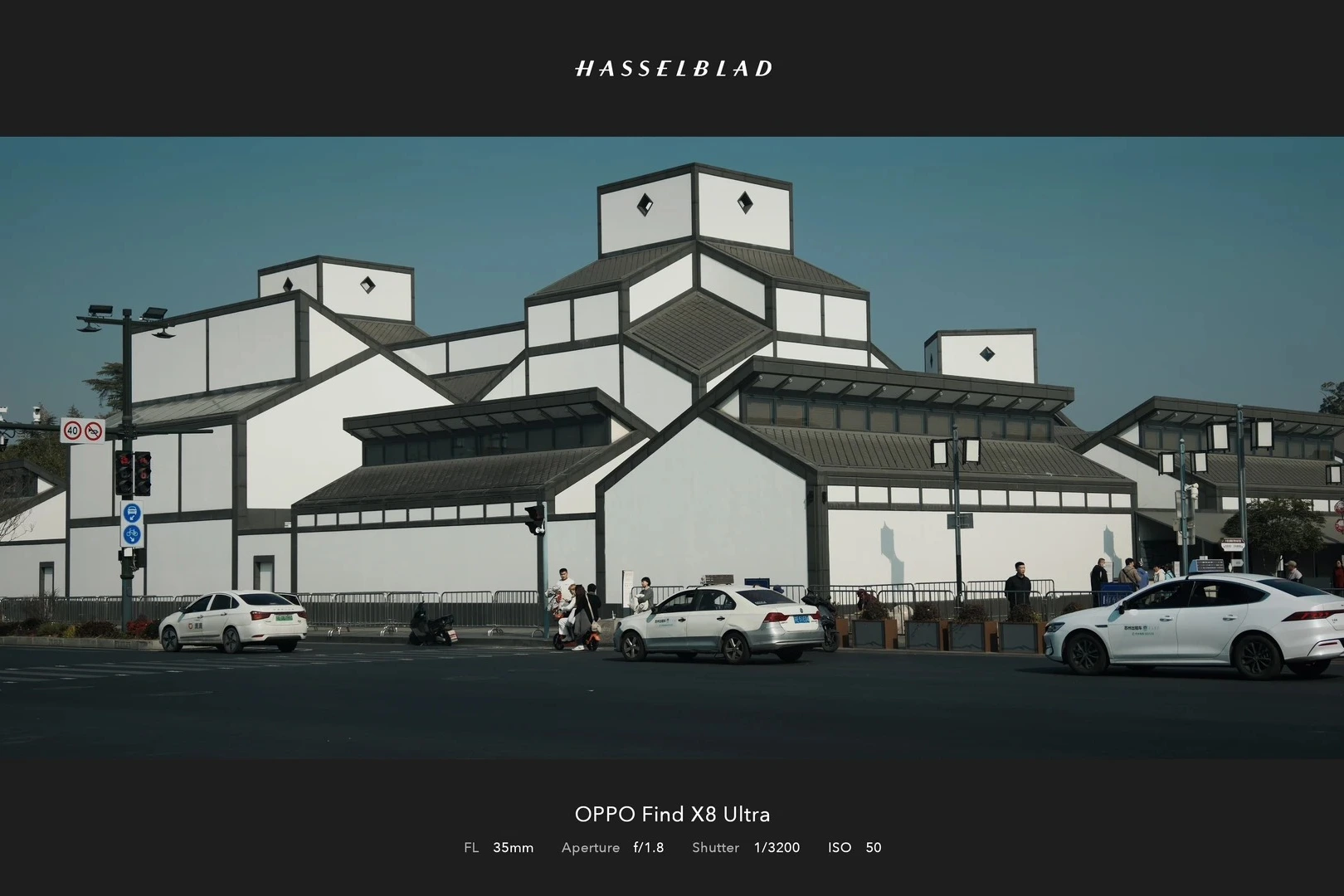
Designed by I.M. Pei — the Chinese-American architect of the Louvre Pyramid — the Suzhou Museum opened in 2006 beside the Humble Administrator's Garden. Pei called it his "little daughter": white-and-grey geometric roofs outlined in dark stone, with an inner courtyard that arranges water and rock like an ink-wash painting. The building itself is a work of art — a modern interpretation of the classical garden.
Entry is free, but you must reserve a slot in advance through the museum's WeChat mini-program (slots open 7 days ahead and sell out on weekends). Closed Mondays. Allow 90–120 minutes. Combine with the Humble Administrator's Garden next door — they share an entrance plaza.
The collection covers Suzhou-region antiquities: ceramics, calligraphy, jade, paintings, textiles, and the city's famous silk embroidery.
with advance reservation
Closed Mondays
reservation window
Canals & Old Streets: The Venice of the East
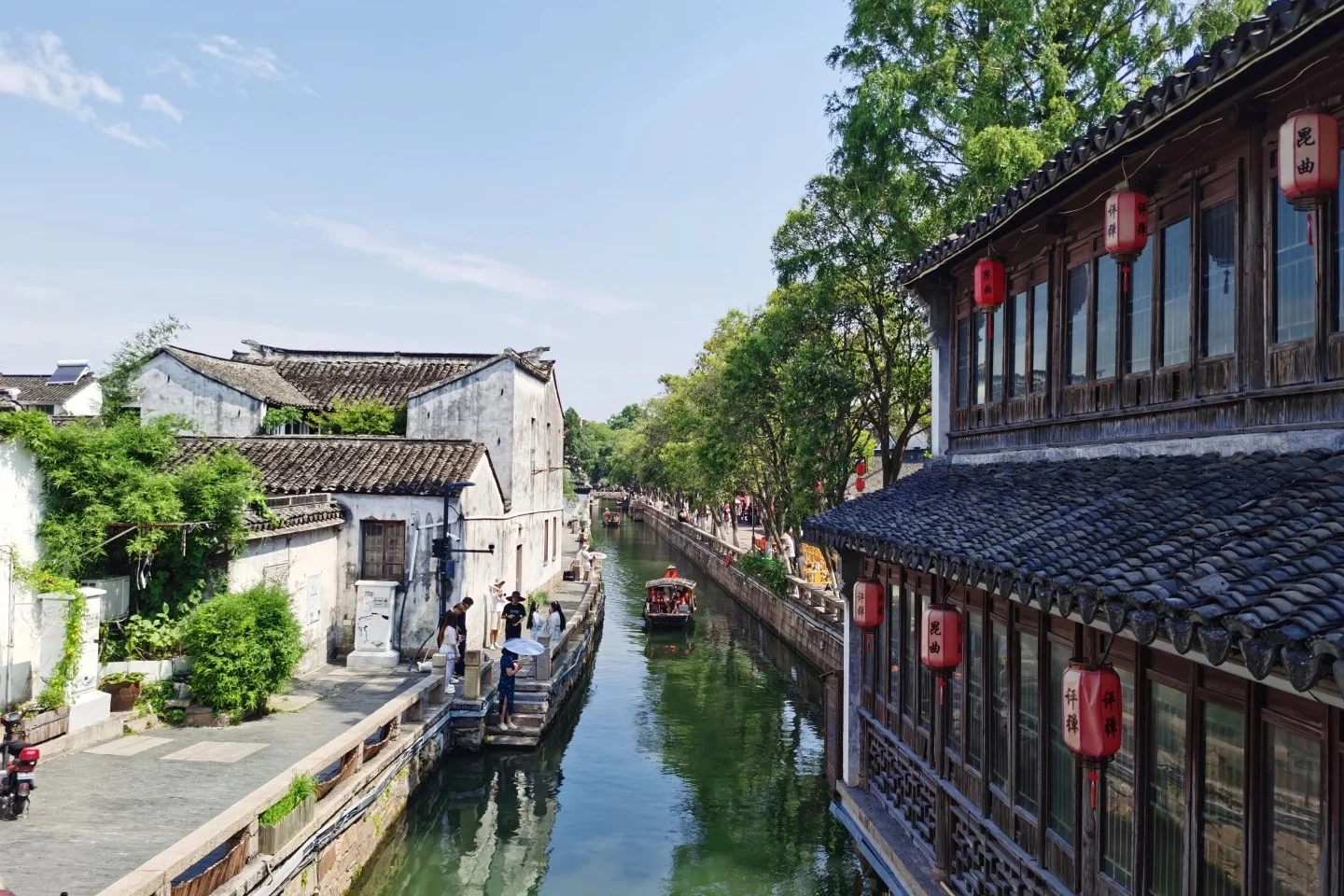
Pingjiang Road (平江路)
Suzhou's most preserved canal-and-lane streetscape — an 800-year-old road running parallel to a small canal, with traditional white-washed buildings, stone bridges, and willow trees. Free to walk; a 25-minute traditional rowboat cruise costs about ¥80 per person. Best in late afternoon, and stunning after dark when red lanterns reflect on the water.
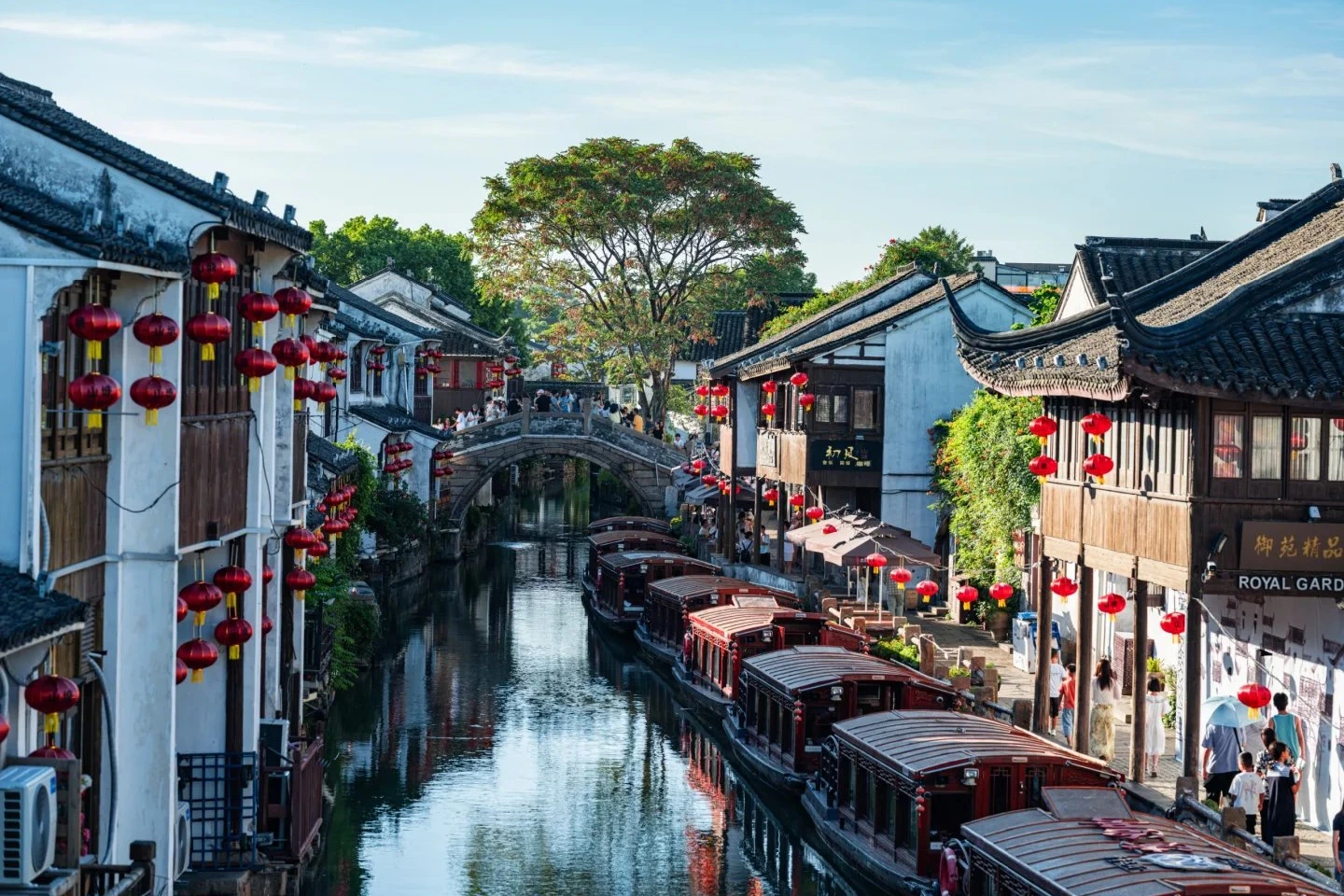
Shantang Street (山塘街)
Another ancient canal street, livelier than Pingjiang — street food, tea houses, antiques, and a famous lantern-lit evening scene. Free to wander. From Tiger Hill, you can even take a rowboat along the canal straight to Shantang.
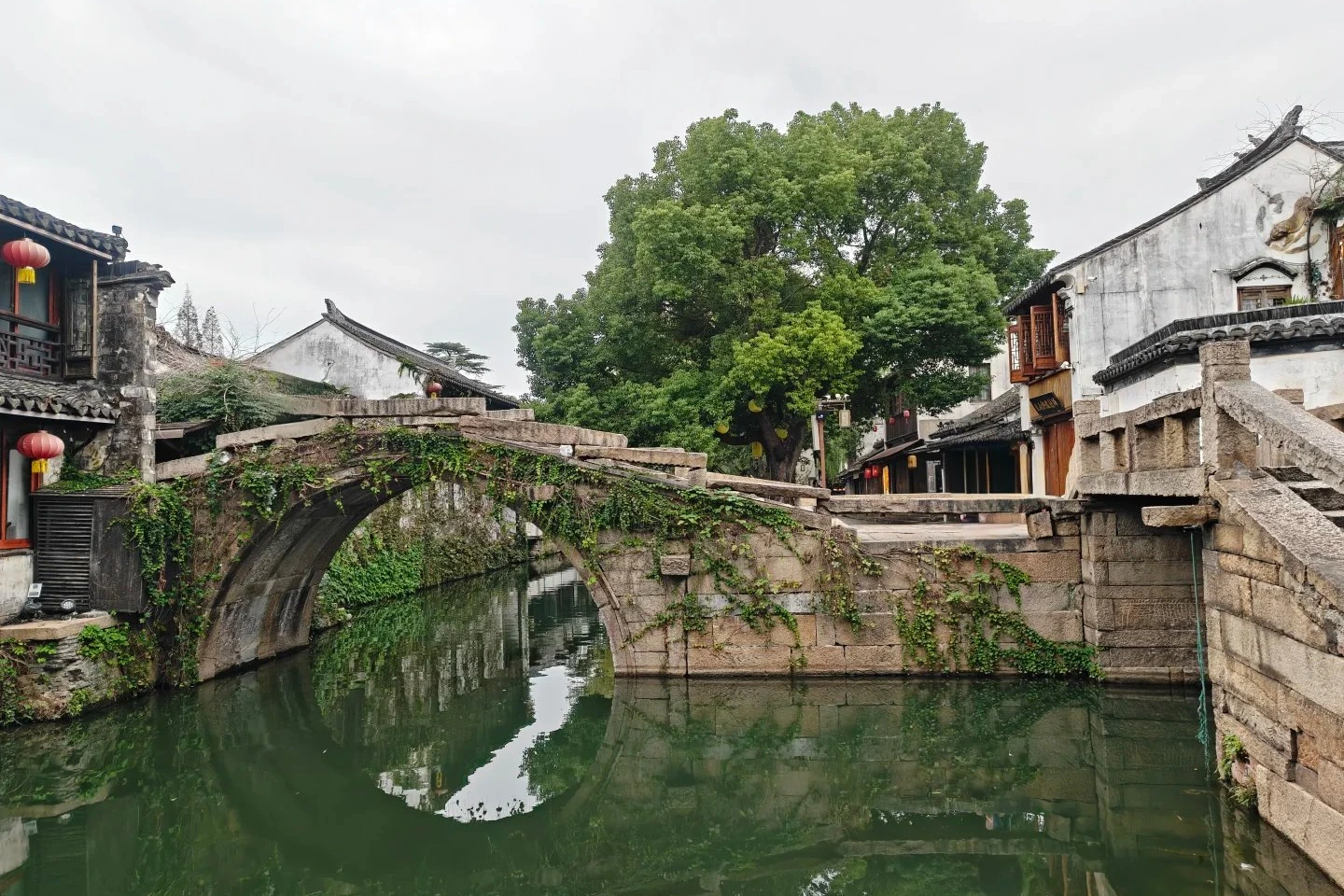
Water towns (optional)
For a classic Jiangnan water village, Tongli (20 min away) and Zhouzhuang are the most accessible from Suzhou — canal towns where locals live. Budget a half day; tickets roughly ¥100.
A Simple 2-Day Plan
Gardens & Museum
- 08:30 Humble Administrator's Garden (¥80 peak) — arrive at opening, before tour groups
- 10:30 Lion Grove Garden (¥40) — 5-min walk, the fun rockery maze
- 11:30 Suzhou Museum (free, reserve ahead) — I.M. Pei architecture
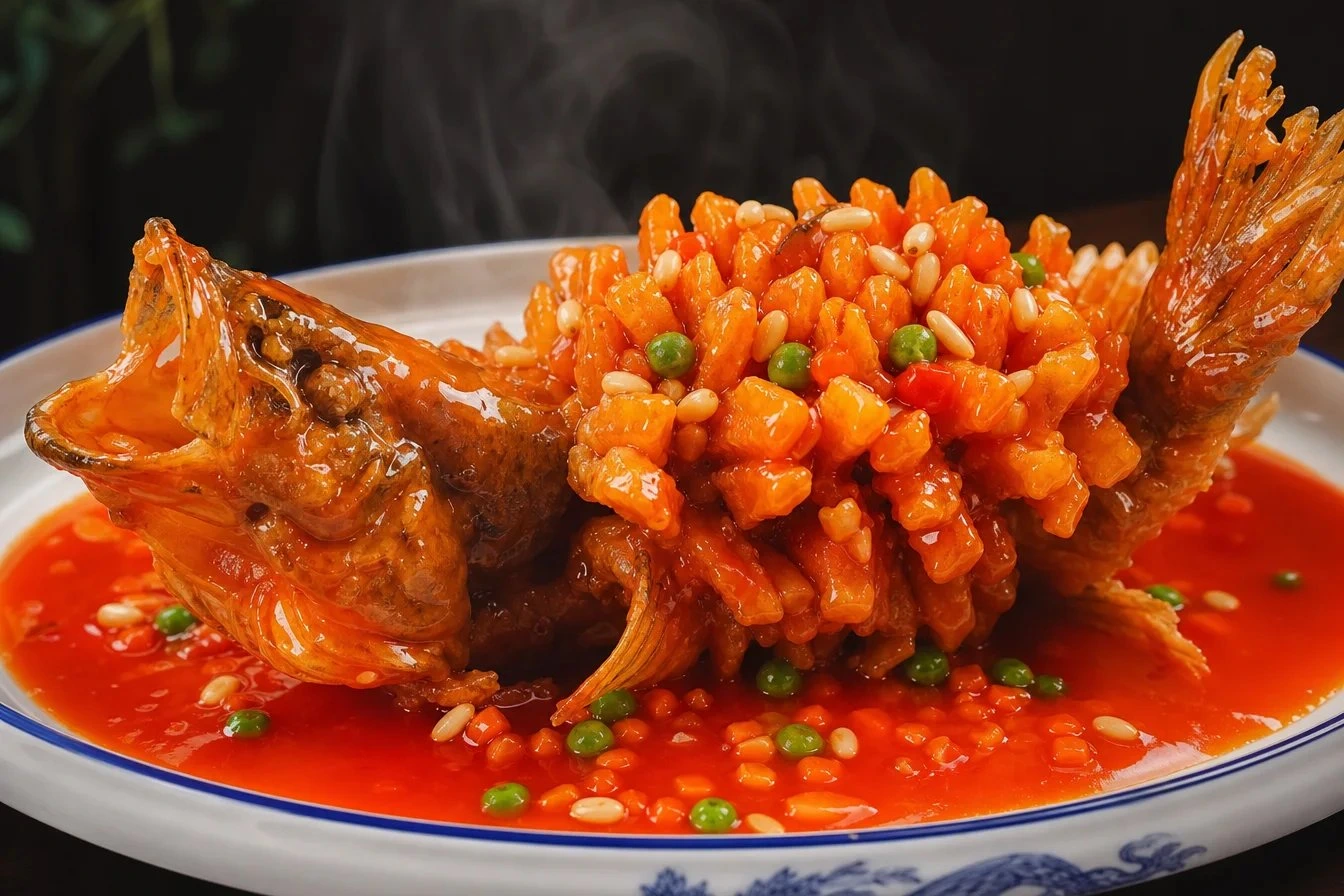
- 13:00 Lunch — squirrel mandarin fish, Suzhou's signature
- 15:00 Pingjiang Road canal walk + tea (~¥80 boat optional)
- 18:30 Shantang Street — lantern-lit dinner
Tiger Hill & More
- 08:30 Tiger Hill (¥70) — the 2,500-year-old leaning pagoda, "Tiger Hill is a pity to miss"
- 11:30 Lingering Garden (¥55) — the most refined garden, afternoon light magic
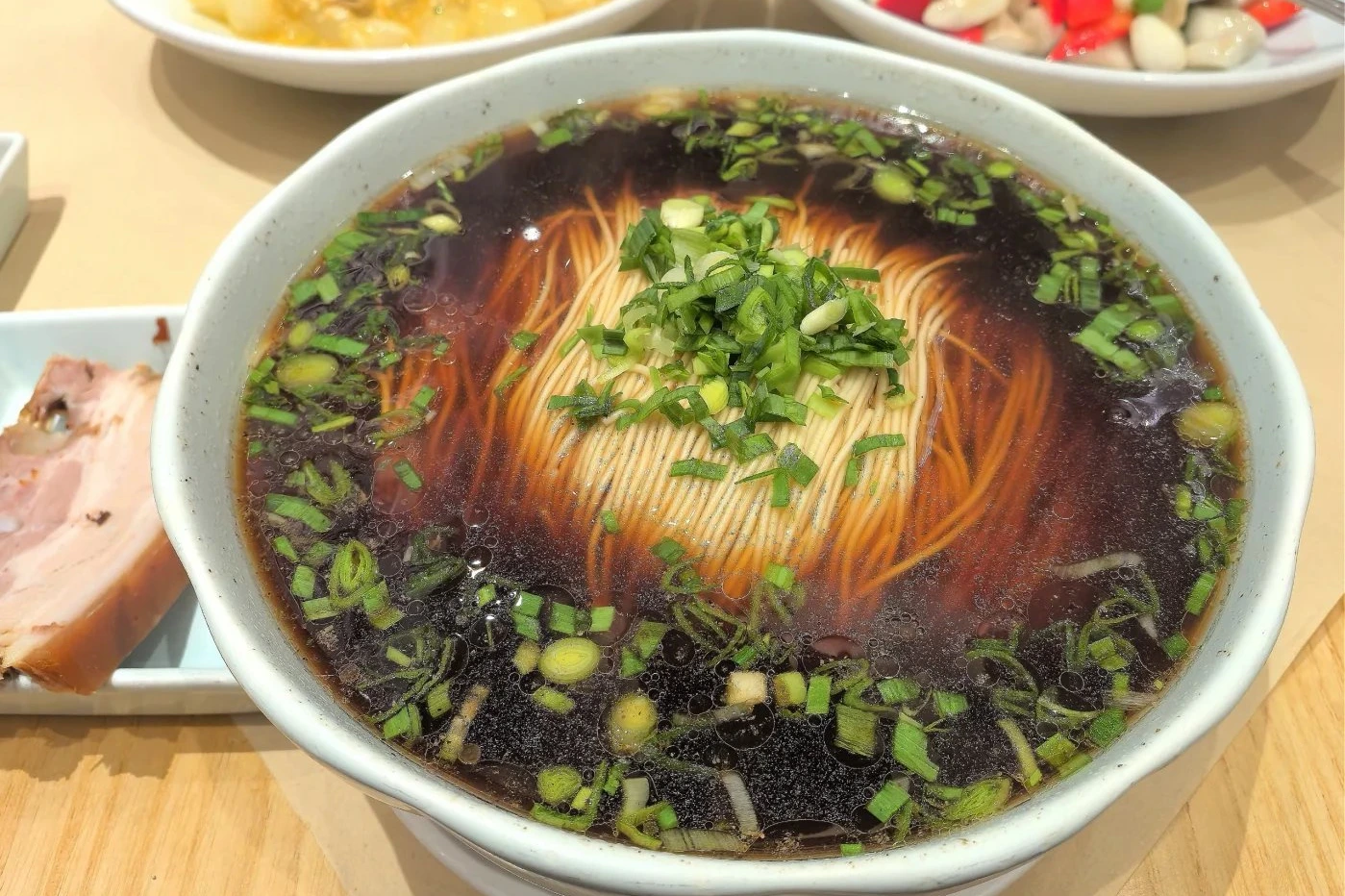
- 13:00 Lunch — Suzhou-style noodles (苏式汤面)
- 15:00 Optional: Tongli water town or Master of the Nets Garden night tour (¥120)
What to Eat in Suzhou
🍽️ Must-try dishes
- Squirrel Mandarin Fish (松鼠鳜鱼) — Suzhou's signature: fried fish shaped like a squirrel, sweet-sour sauce
- Suzhou-style noodles (苏式汤面) — delicate broth, thin noodles, fresh toppings; a local breakfast staple
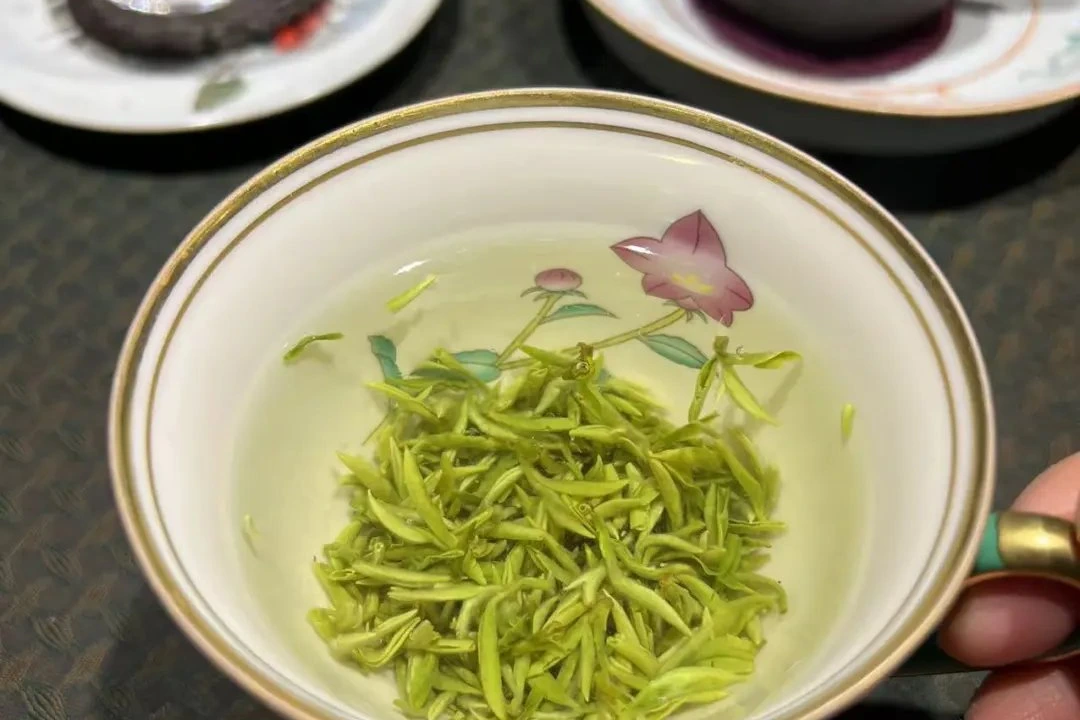
- Biluochun tea (碧螺春) — one of China's famous green teas, grown in the Dongting hills nearby
- Sweet dim-sum: osmanthus cake (桂花糕), pear syrup, and other Jiangnan snacks
🥟 Where to eat
- Songhelou (松鹤楼) — the legendary Suzhou restaurant since 1757; the classic spot for squirrel fish
- Deluxe noodle shops (e.g. Tongdexing 同得兴) for the morning noodle ritual
- Street snacks along Pingjiang Road and Shantang Street — try them as you wander
Suzhou's Silk — China's Silk Capital for 2,500 Years
Suzhou has been the heart of Chinese silk production since the Han dynasty — the city that supplied the original Silk Road. Today it remains China's silk capital, and a silk-focused half-day is one of the most rewarding additions to any Suzhou trip.
🧵 What to see
- Suzhou Silk Museum (苏州丝绸博物馆) — free, traces silk history from silkworm to finished fabric; next to Beisi Pagoda
- No. 1 Silk Factory (第一丝厂) — see live silk-reeling demonstrations and shop factory-direct
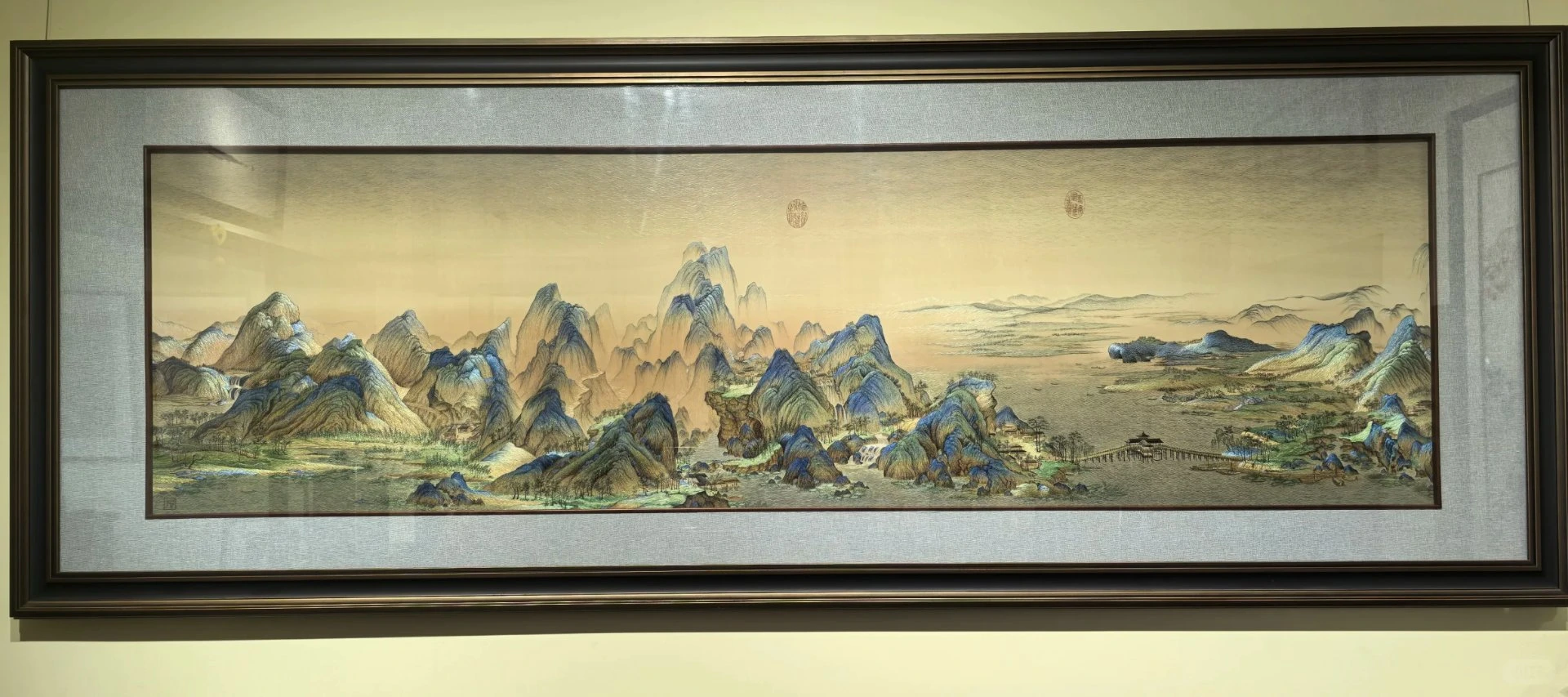
- Su embroidery (苏绣) studios — one of China's four famous embroideries, delicate and lifelike; watch artisans at work
🛍️ What to buy
- Silk scarves and quilts — factory prices beat tourist-shop prices by a lot
- Song brocade (宋锦) — a national treasure craft, finer than ordinary silk
- Embroidered panels — from small framed pieces to museum-quality works
- Tip: buy from the factory/museum shops, not random street vendors; check the pure-silk label (100% 桑蚕丝)
Suzhou Through the Seasons
Each season transforms the gardens differently. This section is updated regularly as the year turns.
Cherry blossom, wisteria and peonies bloom across the gardens; the Humble Administrator's Garden is at its finest. Mild weather, soft light — the classic season.
Tip: Arrive at opening (7:30 AM) — this is peak season and the gardens fill fast by mid-morning.
Hot and humid, but the lotus ponds of the Humble Administrator's Garden peak now, and the canals are lively in the evening. Garden cypresses provide shade.
Tip: Go early morning; the Master of the Nets Garden night tour (music + tea, ~¥120) is a cool summer evening highlight.
Clear skies, maples and ginkgo turn gold; the Lingering Garden's afternoon light is famous. The best weather of the year for canal walks.
Tip: Golden Week (Oct 1–7) is packed — check our holidays guide and avoid if possible.
Quiet and atmospheric — the stripped-back garden compositions are beautiful under grey winter skies, and plum blossoms arrive by late February.
Tip: Fewest crowds and cheaper hotels; the Lingering Garden's rockeries look striking against snow.
Practical Information
🚇 Getting around
Metro: Line 4 to Beisita (北寺塔) — 10-min walk to Humble Administrator's Garden; Line 1/4 serve the old town. Taxis/DiDi: cheap and easy, ¥10–20 within the old town. Bikes: shared bikes everywhere — the old town is flat.
🏨 Where to stay
Stay in the old town (Gusu district) near Pingjiang Road or Shantang for walking access. Compare Suzhou hotels on Trip.com — Chinese platforms usually beat international ones on price.
🌤️ Best time to visit
Mid-March to mid-May (cherry blossom, wisteria, peonies) and September to mid-October (clear skies) are best. Summer is hot but the Humble Administrator's lotus pond peaks. Avoid Chinese holidays — see our holidays guide.
💰 Budget (2 days)
| Item | Budget | Comfort |
|---|---|---|
| Gardens (3-4) | ¥150–200 | ¥200–300 |
| Hotel (1 night) | ¥200–400 | ¥500–1,000 |
| Food (2 days) | ¥150–250 | ¥300–500 |
| Transport | ¥50–100 | ¥150–250 |
| Total | ¥550–950 | ¥1,150–2,050 |
Essential Travel Tips
Internet Access
Google, Instagram, WhatsApp are blocked. Get an eSIM with firewall bypass before arrival.
Get Airalo eSIM →Payment
China is nearly cashless. Set up Alipay or WeChat Pay before you arrive.
Travel Insurance
Medical evacuation can cost $50,000+. Don't travel without comprehensive coverage.
Check SafetyWing plans →Navigation
Google Maps is unreliable. Use Amap or Apple Maps. The old town is very walkable.
Power Adapter
China uses Type A/I plugs, 220V. Bring a universal adapter.
Universal adapter on Amazon →Emergency
Police: 110, Ambulance: 120, Fire: 119. Foreigner hotline: 12308.
Frequently Asked Questions
Is Suzhou worth visiting?
Yes — especially if you are already in Shanghai. The classical gardens are UNESCO World Heritage and unlike anything else in China, and the 2,500-year-old canals earned Suzhou the nickname "Venice of the East". It is an easy 25–40 minute train ride from Shanghai.
Which Suzhou garden should I visit?
First-timers should see the Humble Administrator's Garden (largest, most famous). If you love gardens or want fewer crowds, the Lingering Garden is more refined; Lion Grove is fun for families; the Master of the Nets is the connoisseur's pick with a special night tour.
How much are Suzhou garden tickets?
Humble Administrator's ¥80 (peak)/¥70 (off); Lingering ¥55/¥45; Lion Grove ¥40/¥30; Master of the Nets ¥40/¥30 (night tour ~¥120). Peak season is Apr–May and Sep–Nov. Book online in advance — timed slots sell out.
How do I get from Shanghai to Suzhou?
High-speed train from Shanghai Hongqiao or Shanghai Railway Station to Suzhou Railway Station: 25–40 minutes, ¥39–55, trains every 10–20 minutes. The old town and gardens are a short metro ride from Suzhou Station.
Is the Suzhou Museum free?
Yes — entry is free, but you must reserve a slot in advance through the museum's WeChat mini-program (slots open 7 days ahead and sell out on weekends). Closed Mondays. Designed by I.M. Pei, it is itself a work of art.
Is one day in Suzhou enough?
One day covers the essentials (Humble Administrator's Garden, Suzhou Museum, Pingjiang Road). Two days is better — add Tiger Hill and the Lingering Garden, or a water town like Tongli.
What is Suzhou famous for besides gardens?
Silk — Suzhou has been China's silk capital for centuries; Su embroidery (苏绣) and Song brocade (宋锦); Biluochun green tea; and its canal streets, especially Pingjiang Road and Shantang Street.
About This Guide & Data Sources
Last updated: August 5, 2026.
Sources: Ticket prices and opening hours from the Suzhou Gardens Bureau official channels and Ctrip/Trip.com listings (2026); transport details from 2026 travel guides; museum reservation rules from the Suzhou Museum official channel.
Disclaimer: Garden prices are seasonal (peak: Apr–May & Sep–Nov; off-peak: other months) and use real-name timed entry. Always book in advance and confirm current prices on the official platforms before visiting.